
 Updated August 19, 2026
 7 minute read
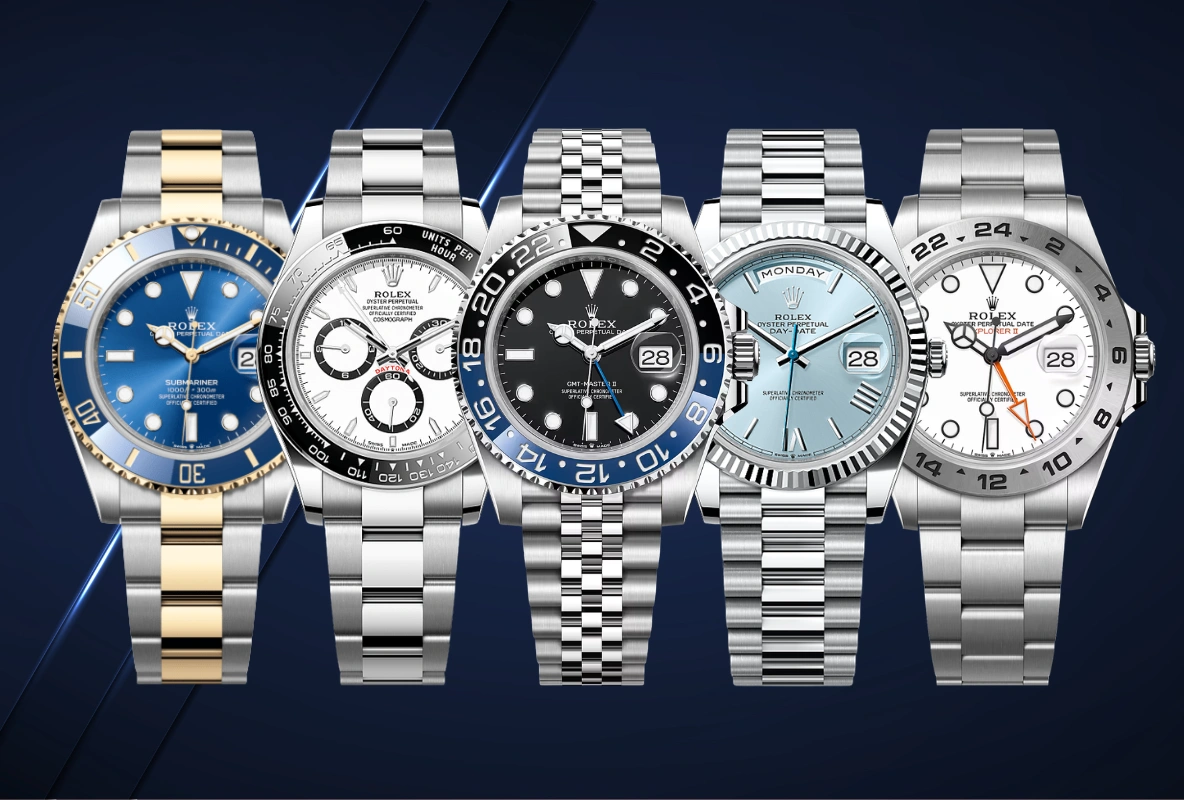
Ask any serious collector which Rolex holds value best, and the same five names come up every time: the Submariner, Daytona, Day-Date, GMT-Master II, and Explorer, backed by steady demand and deep secondary markets. These references hold so reliably that Rolex collectors would rather borrow against them than sell, keeping the watch while still tapping into its value.
Why Serious Collectors Hold Instead of Sell
The best collectors do not sell. They borrow. The strongest references hold their value, and they often appreciate, which is exactly why parting with one is usually the expensive move.
Selling a held Rolex carries three costs that are easy to overlook:
- The dealer spread. A quick sale to a dealer means accepting a price below what the watch would fetch on the open market.
- The tax on the gain. If the reference appreciated, the profit can be taxed at the higher collectibles rate, shrinking what you actually walk away with.
- The lost upside. Once it is gone, any future appreciation belongs to the next owner, and a broken set can be costly to rebuild.
There is a smarter option for a collector who needs capital. Rather than sell, you can borrow against the watch and keep it on your wrist. Understanding how much your watch is worth is the first step, and independent market data supports the case: the Knight Frank Luxury Investment Index has repeatedly tracked fine watches among the more durable luxury asset classes. The five references below are the ones collectors are least likely to let go.
It helps to think of a strong Rolex less as a purchase and more as a Rolex investment that happens to keep excellent time. Unlike most luxury goods, which lose value the moment they leave the boutique, the right references hold a deep, active resale market for decades. That liquidity is the quiet advantage: a desirable Rolex can be converted to cash on short notice, whether by selling or, more sensibly for a piece you want to keep, by borrowing against it. The collector who understands this stops asking whether to sell and starts asking how to access the value without giving up the watch.
The Highest Value Rolexes: Five References and Their Resale Value
Which Rolex holds value best when you look at the individual references? These five combine deep demand with the kind of Rolex resale value that keeps them out of the classifieds. Each is a reference that a serious collector is least likely to sell.
1. Rolex Submariner
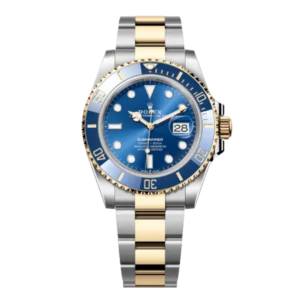
The Rolex Submariner is the benchmark for lasting value. Its iconic status, constant demand, and one of the most liquid secondary markets in all of watchmaking give the Rolex Submariner value unusual staying power. Steel and precious-metal variants draw different buyers, which only widens the market and keeps a fair price never far away.
2. Rolex Daytona
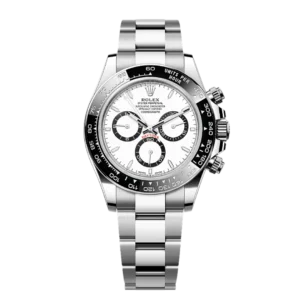
The Rolex Daytona is the blue-chip chronograph. Demand for desirable references runs so far ahead of supply that many trade at or above retail, which anchors the Rolex Daytona value near the top of the brand. Its motorsport heritage and the Paul Newman association give it a cultural pull few watches share. Owners rarely regret holding a Daytona, and most would borrow against it long before they would sell.
3. Rolex Day-Date (President)
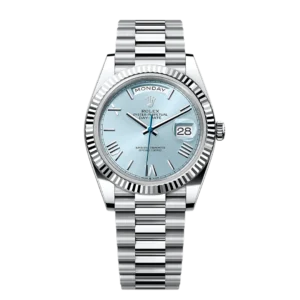
The Rolex Day-Date, worn only in precious metal, is the status reference. Long tied to leadership and achievement, its Rolex Day-Date value rests on that association and on steady demand from collectors marking a milestone. It holds its footing across market cycles rather than chasing trends, which is much of its appeal to the owner who is weighing what to do next.
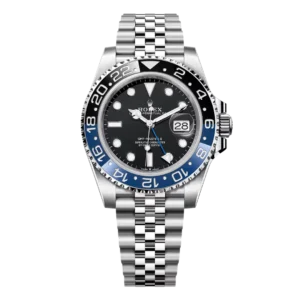
4. Rolex GMT-Master II
The Rolex GMT-Master II is the travel icon, prized for its dual-time function and its recognizable bezel configurations. Demand stays broad and steady across the popular color variants, which supports its resale value over the long term. It pairs everyday usefulness with a market that has held up reliably through changing tastes.
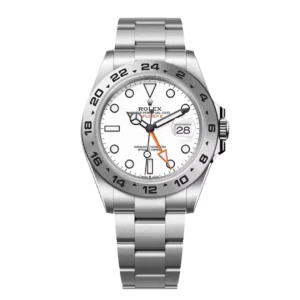
5. Rolex Explorer
The Rolex Explorer is the connoisseur’s choice. Understated where other references announce themselves, it carries real historical weight through its roots in the 1953 Everest expedition. Serious collectors have increasingly come to value its restraint, and that quiet appreciation gives it a steady, unshowy market of its own.
The Collector’s Move: Liquidity Without Losing the Watch
When a collector needs capital, selling an appreciating reference is an expensive mistake. It is permanent, it can trigger capital gains tax on collectibles, and it breaks up a set you may have spent years collecting. Borrowing against the watch does the opposite: it unlocks the value while you keep the asset and its future upside.
The process is straightforward. You submit the watch details and receive a preliminary offer. The watch is then verified, securely stored, and fully insured, and the funds are wired to you. When you repay, the watch is returned. Qollateral accepts Rolex, among other luxury watches, as collateral and serves clients nationwide through virtual appraisals and fully insured shipping. If you would rather keep your watch than part with it, you can borrow against your Rolex directly, and Qollateral’s Rolex collateral loan is structured as a non-recourse loan (the asset satisfies the balance, with no personal liability).
Consider a worked example, with illustrative figures. Say a Submariner is worth about $15,000 today, and you bought it years ago for $9,000. Sell it to a dealer at a typical spread, and you might net around $12,000. Because the watch appreciated, the $3,000 gain is subject to collectibles capital gains tax, up to the 28% federal maximum, which could take roughly $840 off the top and leave you closer to $11,160, and you would no longer own the watch. Borrow against the same Submariner instead, and you access capital now, keep the watch, and simply repay to retrieve it. The upside stays yours.
For readers who want to check the market themselves, neutral platforms such as WatchCharts track Rolex secondary-market performance and resale value trends across references.
Frequently Asked Questions About Rolex Resale Value
Do Rolexes hold their value?
The most sought-after references hold their value well and sometimes appreciate, driven by scarcity and lasting demand. That durability is what lets a Rolex function as a genuine financial asset, and why an owner who needs liquidity can borrow against one instead of selling it.
Can I get cash from my Rolex without selling it?
Yes. An asset-backed collateral loan lets you borrow against a Rolex you already own. The watch is appraised, securely stored and insured, and returned when you repay, so you keep the piece and its future value while accessing immediate cash. Qollateral offers this for Rolex and other luxury watches nationwide.
Is a Rolex a good investment?
Certain references hold value and appreciate, but a Rolex is best understood as a durable store of value rather than a guaranteed return. Its real strength is liquidity: a desirable reference can be sold quickly or borrowed against, giving owners flexibility that most possessions cannot match.
What is the most valuable Rolex?
The most valuable Rolex watches are vintage and rare references, especially certain Daytona and Submariner models with unique provenance, which command the highest prices at auction. For most owners, the practical point is that even standard modern references from the core lineup hold strong, liquid value.
The Takeaway for Rolex Owners
So, which Rolex holds value best? The Submariner, Daytona, Day-Date, GMT-Master II, and Explorer lead the field, and their strength is not only that they appreciate but that they stay liquid. That combination is what makes selling one so often the wrong call. When you need capital, the smarter move is to borrow against the watch, keep the reference and its future upside, and retrieve it when the loan is repaid.
