
 Updated May 22, 2026
 8 minute read
Watch market demand plays a significant role in how lenders determine loan offers. Brand prestige, the economy, and other factors, which we’ll cover in depth here, affect how much people can borrow against their collections. For example, a stainless-steel Rolex Daytona might command a much higher resale value than a less sought-after dress watch with a similar original retail price. That’s why it is important to understand the different market factors at play. Let’s break them down so you can secure the highest loan offer.
Understanding the Luxury Watch Market as Collateral
Luxury watches aren’t like other assets because their value is driven in large part today by collector demand rather than just their material value. Factors like gold content or diamond weight still matter, but the biggest influence on collateral loan values is the secondary market.
A recently discontinued watch might boom in demand after it’s pulled from production. Since the only avenue to buy said watch is the secondary market, pre-owned prices rise. A watch like that can potentially net a higher offer than others if the lender thinks it will remain popular throughout the loan terms. It’s an incredibly dynamic process that requires the sharp eye of an experienced luxury lender.
Simply put, the stronger the market is, the stronger the watch will perform as collateral.
Key Factors Driving Watch Market Demand
Several factors shape the collateral strength of watches.
- Brand Heritage
Well-known brands with rich histories (sometimes centuries old) tend to have stronger long-term demand. Rolex, Patek Philippe, Audemars Piguet, and Omega are just a few of the most sought-after in the industry.
- Production Scarcity
Discontinued or limited production watches perform well in the pre-owned market. They are hot commodities among collectors, which directly impacts collateral loan values.
- Cultural Relevance
Collector demand, TV appearances, celebrity endorsements, and even social media bring certain models to the forefront and influence luxury watch trends.
- Investment Perception
Things are evolving. Many avid collectors now view their luxury watches as alternative assets. As a result, they are focusing on models with strong resale performance.
- Economic Conditions
Luxury spending ebbs and flows with economic cycles. When the market is strong, for example, collectors might seek out rarer watches. When it softens, they might opt for watches that are safer investments.
- Collector Preferences
Integrated sports watches like the Patek Philippe Nautilus and Audemars Piguet Royal Oak are popular among collectors today. Neo-vintage watches and independent watchmakers are also trending.
Which Luxury Watch Brands Hold Value Best?
We get asked which luxury watch brands hold value the best on the secondary market a lot here at Qollateral. The answer to that question comes down to companies with strong liquidity and reliable global demand.
Rolex
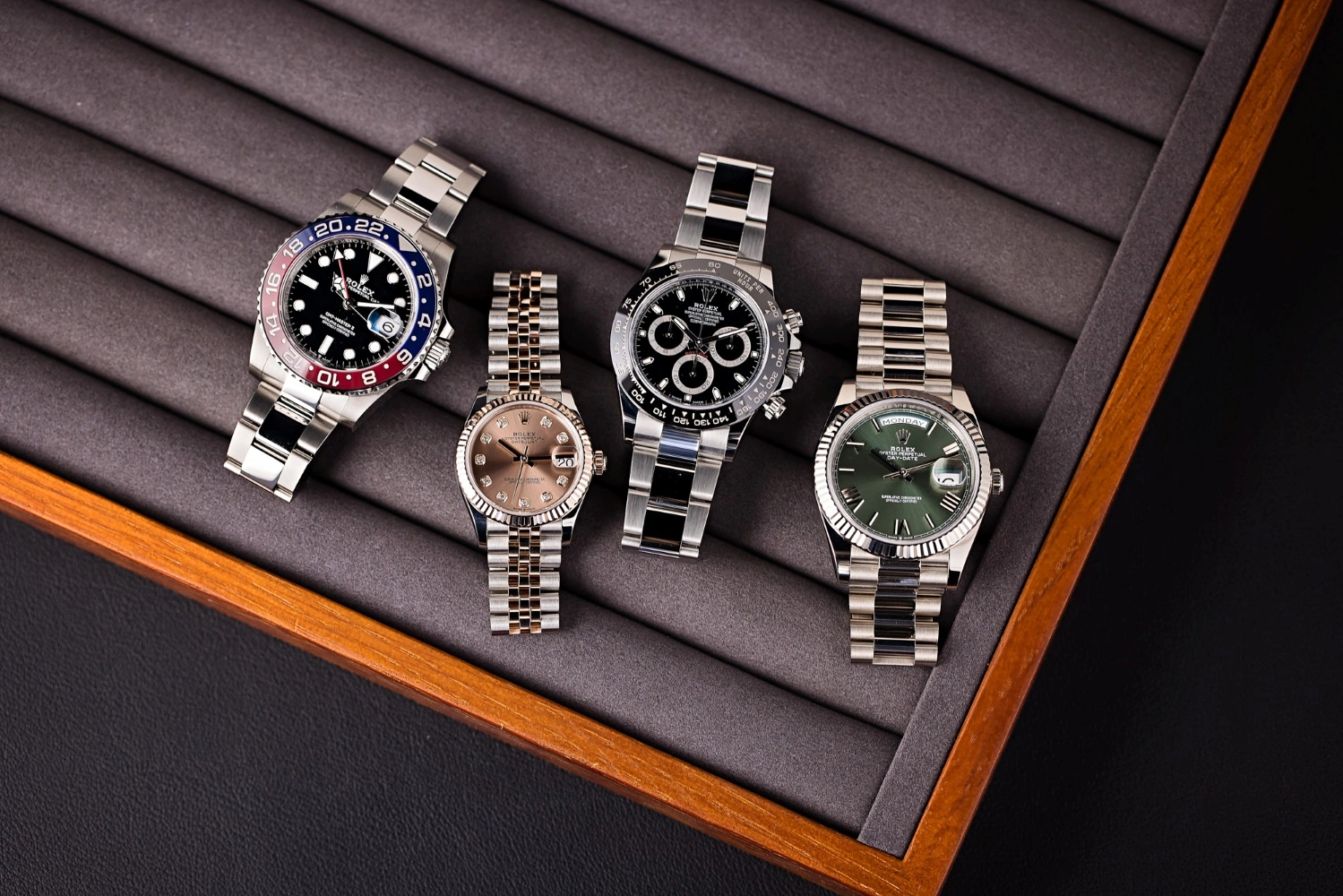
Rolex is an industry standard in asset-backed lending. Pillar models like the Daytona, Submariner, GMT Master II, Day-Date, and Datejust are in high demand. Moreover, Rolex is established as a global luxury brand and has consistent resale activity, which means more competitive loan-to-value ratios.
Learn more about Rolex watch loans.
Patek Philippe
Patek Philippe has been in business for nearly 2 centuries. But perhaps more importantly, the watchmaker is the brainchild behind some of the most sought-after watches on the market today, including the Nautilus and Aquanaut.
Learn more about Patek Philippe watch loans.
Audemars Piguet
Audemars Piguet is in a similar boat to Patek Philippe. The brand was founded in 1875 and boasts some serious brand prestige. A popular model is the Royal Oak, the world’s first stainless steel luxury sports watch.
Learn more about Audemars Piguet watch loans.
Richard Mille
Richard Mille operates in the ultra-luxury tier of watchmaking. The brand’s success today is largely driven by exclusivity and celebrity endorsements. That also means the market can be a bit more volatile, but demand for some models is still quite strong.
Omega
The Speedmaster was famously the first watch worn on the Moon, and the Seamaster has been a fixture of the 007 franchise since the 90s. More specifically, some limited edition models and vintage Speedmasters have been gaining significant traction among collectors.
Current Luxury Watch Market Trends Affecting Loans
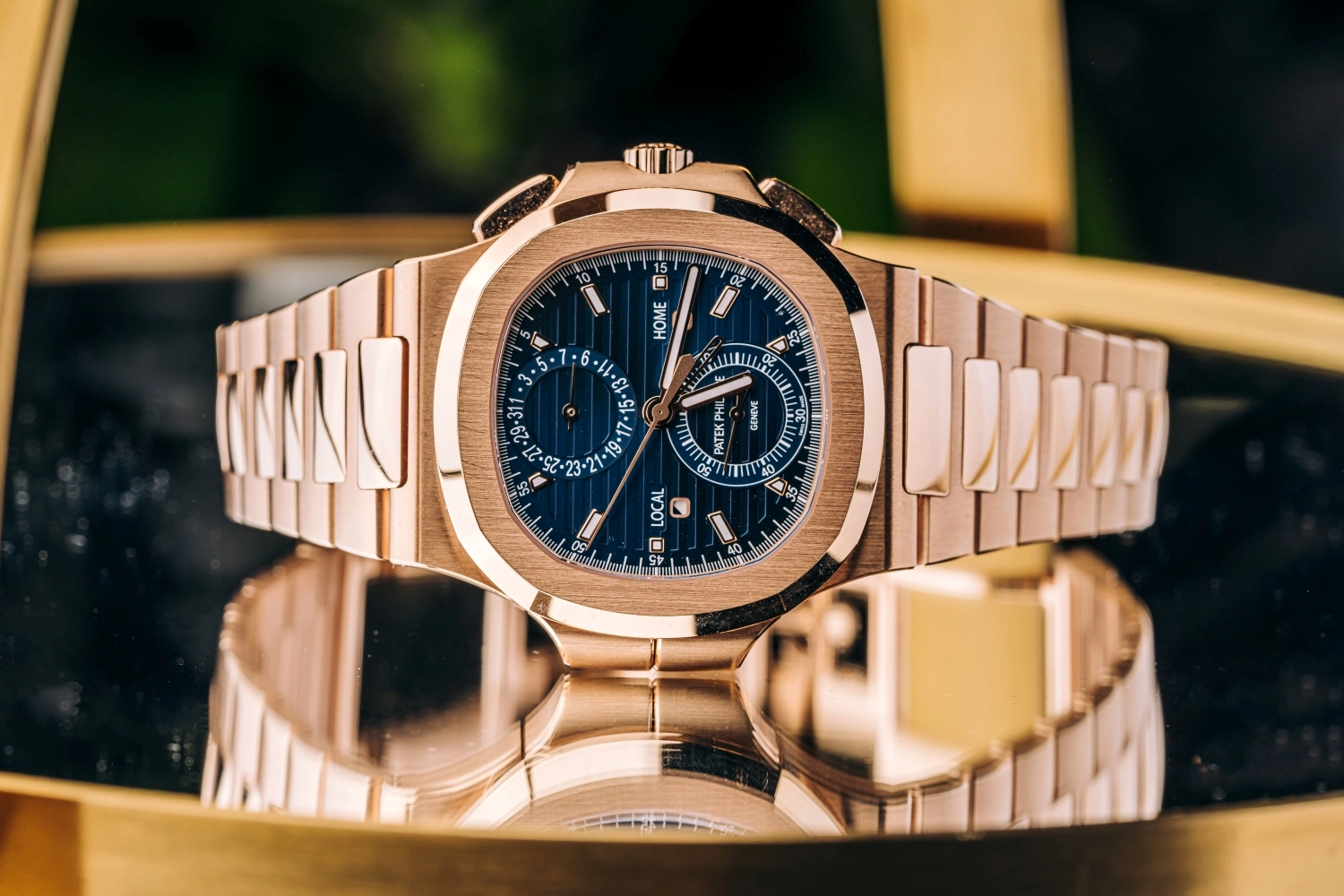
That brings us to the luxury watch market trends affecting lending decisions today. First, the growing demand for steel sports watches, especially those with integrated bracelets. The trend was popularized by Audemars Piguet and its trailblazing Royal Oak in 1972 and continues to influence the rest of the market today, from entry-level brands like Tissot and the PRX to Patek Philippe and even Rolex with its newer Land-Dweller collection. Of course, demand is also high for other types of steel sports watches, such as the ever-popular Rolex Daytona and the Omega Seamaster.
The pre-owned market is expanding as more buyers become comfortable shopping for secondhand luxury goods, thanks to safer resale platforms, greater transparency, and other factors. That growth directly impacts collateral lending because lending relies on resale liquidity.
The Value of Pre-Owned Luxury Watch Models
Lenders don’t just base loan offers solely on original retail pricing. They also evaluate how the watch performs on the secondary market. In a lot of cases, pre-owned prices exceed retail.
For example:
- Rolex watches like the Daytona 126500 and vintage Paul Newman regularly trade for well above the original MSRP.
- Patek Philippe Nautilus watches regularly sell for multiple times retail.
- Discontinued watches rise in value as supply dwindles.
Condition also plays a role. Watches with the following typically command higher loan offers:
- Original box and papers
- Service records
- Unpolished cases
- Original and correct parts
How Market Demand Translates to Loan-to-Value Ratios
Loan-to-value ratios (LTV) are directly influenced by market demand. Below is an example of a general range of LTVs.
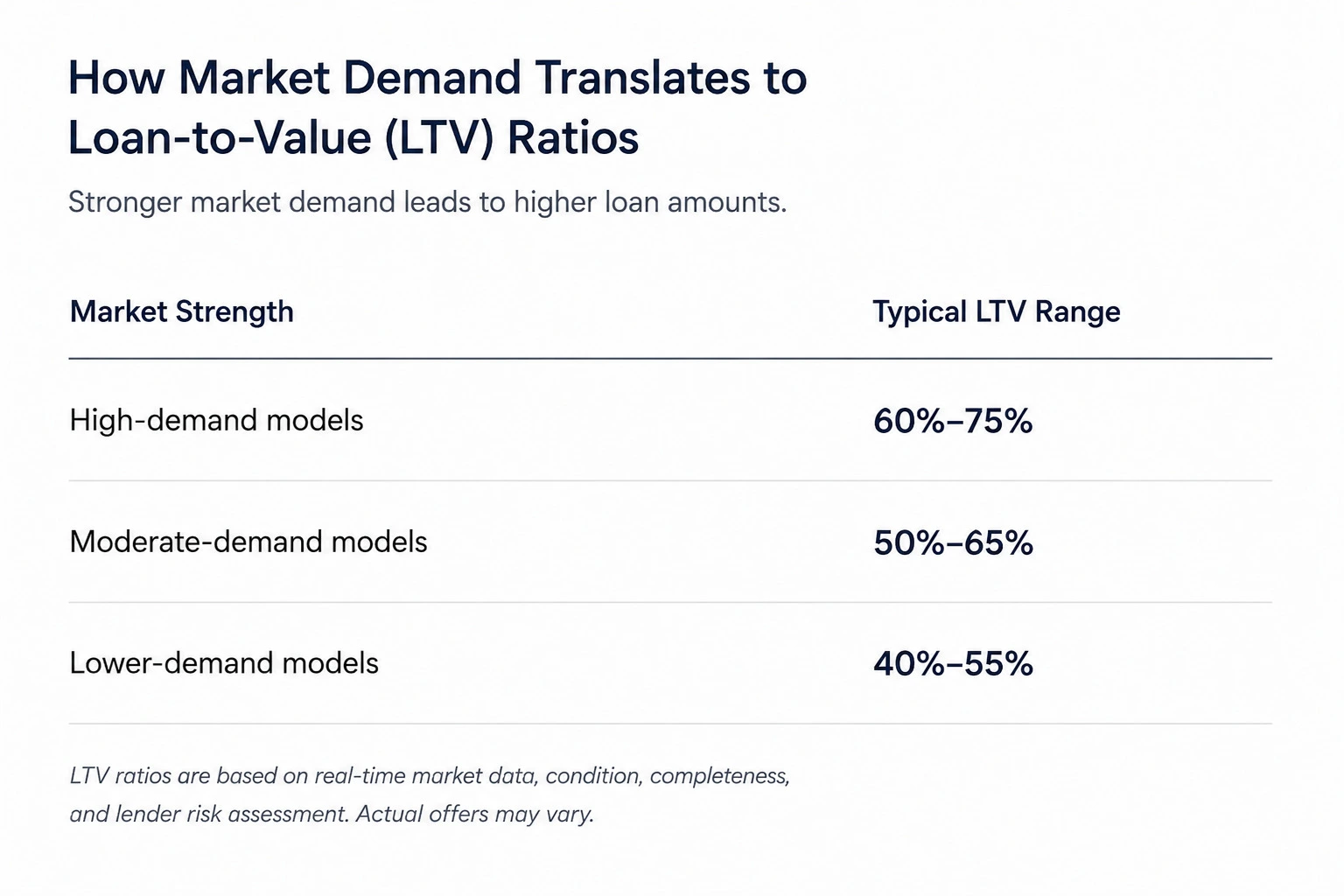
Based on the chart, a white Panda dial Rolex Daytona 126500 valued at $40,000 may qualify for between $24,000 and $30,000. A less popular dress watch with the same retail price may receive a much lower offer. The difference comes down to liquidity and how easily the watch can be resold.
Market Timing and Strategic Borrowing
Waiting to secure a loan during peak demand cycles, auction seasons, or anticipated new releases, like Watches and Wonders, can positively impact loan values. For example, a new release might boost demand for a recently discontinued model. That then translates to higher loan offers. Another angle to consider is the effect of major auction houses on the broader lending industry. Some results can set new market standards for watches, which, in turn, influence how lenders value them.
How Qollateral Tracks Watch Market Demand
At Qollateral, the goal is to deliver competitive loan offers backed by real, expert market analysis.
Our team considers:
- past auction performance
- authorized dealer pricing
- private sales activity
- collector trends
- macroeconomic conditions
- secondary market liquidity
Learn more by visiting our asset-backed lending resource page or our dedicated watch loan page.
Case Studies: Market Demand in Action
- Rolex Submariner: The Rolex Submariner is a fairly easy brand to buy and sell pre-owned. It has strong, consistent collector demand, which makes it easy for lenders to value during the loan process.
- Patek Philippe Nautilus: The massively popular ref. 5711 was discontinued a few years ago. Market values have soared since then, resulting in much stronger loan offers.
- Limited Edition Royal Oak: It isn’t unusual for limited-edition models to trade hands for more due to less inventory and intense collector competition.
- Vintage Omega Speedmaster: More and more collectors are interested in buying vintage Speedmasters. Stronger loan offers are available for examples in excellent condition, thanks to growing demand.
How to Maximize Your Watch’s Loan Value
What can borrowers do to strengthen loan offers? For starters, working with an experienced lender is key, specifically one who specializes in luxury watches. There are plenty of pawn shops out there, but not all will have a full understanding of watch market trends.
The original box and papers add value, so it helps not only to keep them with the watch but also to maintain them. Lastly, watch the market and, if at all possible, time the loan around the most beneficial times of the year, such as major auction seasons or watch releases.
Common Market Misconceptions
Retail price determines loan value.
False. When it comes to lending, pre-owned pricing matters more than retail.
All Rolex watches receive the same loan offers.
False. Demand varies between different watches.
Older watches lose value.
Not Always. Vintage watches can command a high premium in some cases.
Brand name is all that matters.
Other factors matter as well, such as reference number, condition, rarity, and overall liquidity.
Final Thoughts
The luxury watch market is ever-changing. Understanding how demand works, including factors like brand prestige and collector demand, can help borrowers secure higher loan offers. Navigate the market with the industry’s leading luxury collateral lender.
Contact Qollateral for an expert watch appraisal, backed by real-time luxury watch market demand.
- 100% Discreet
- 100% Safe
- 100% Secure
- 100% Risk-free
- 100% Insured
- 100% Satisfaction Guarantee
