
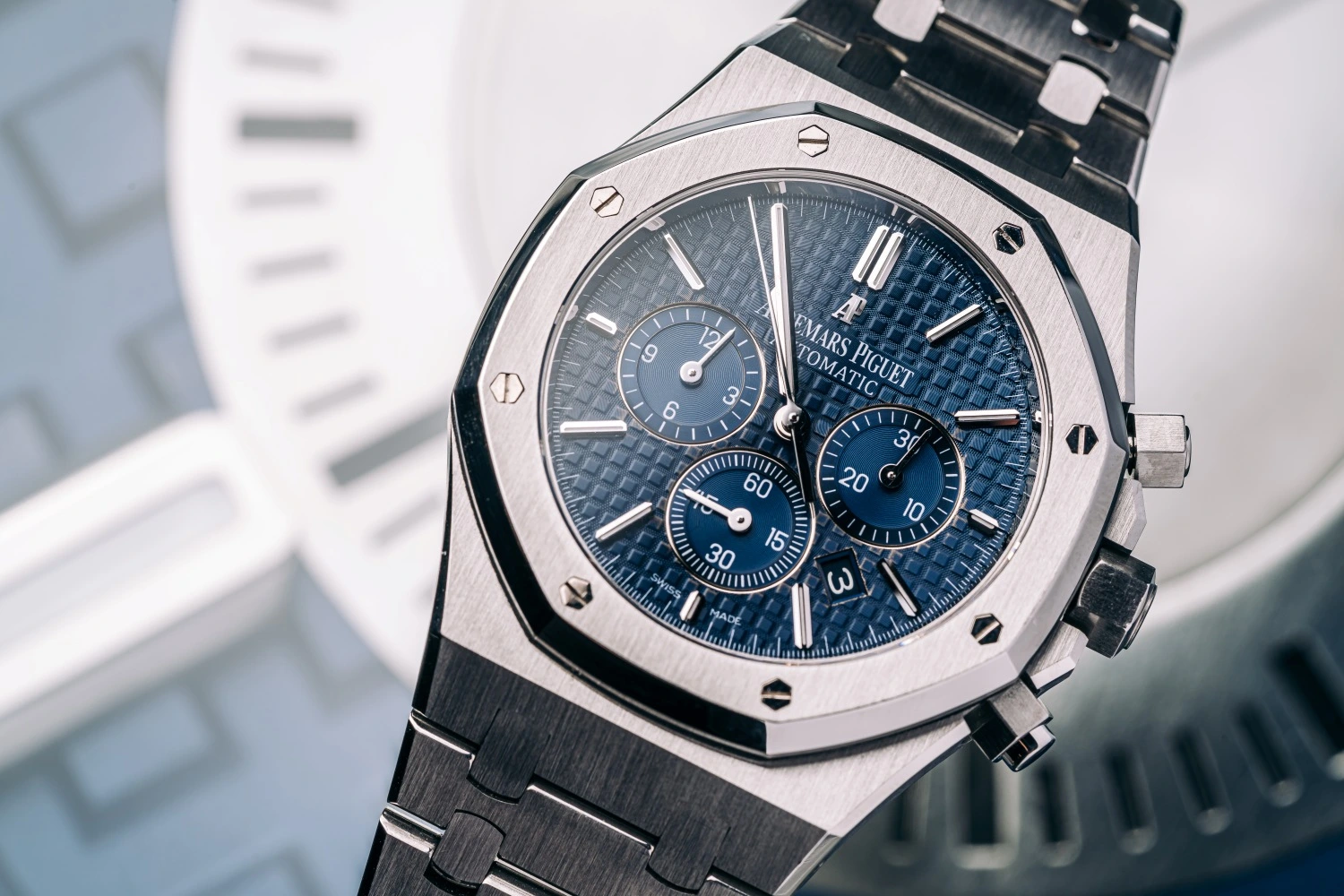
 Updated June 3, 2026
 8 minute read
Luxury watch loan-to-value ratios are a bit more dynamic than a simple one-size-fits-all formula. There’s more to consider than just a single percentage. In fact, some pre-owned watches qualify for a higher watch LTV ratio than others because they’re simply more sought-after and have a better resale market value. Understanding how LTV works is important when navigating any watch-backed loan. In this article, we’ll discuss what loan-to-value ratios are, how most lenders calculate them, and which factors impact how much you might be able to borrow against a luxury watch.
Get an offer by visiting our collateral loan page.
What is Loan-to-Value Ratio?
Loan-to-value ratio, or “LTV,” is the amount of cash a lender is willing to provide for an asset-backed loan. When determining LTV, they will take into account the asset’s actual value as collateral. The more valuable and liquid the asset is on the secondary market, the higher the potential loan offer may be.
The purpose of LTV is to help the lender manage risk while helping their clients secure the highest possible loan offers.
The formula is as follows:
(Loan amount ÷ appraised watch value) x 100 = LTV ratio
For example, someone pledges a $15,000 Rolex Submariner as collateral for a $10,000 loan. LTV is 66.7%.
Or a $50,000 Patek Philippe is pledged as security for a $30,000 loan. In that case, LTV would be 60%. That percentage, compared to the actual appraised value, gives the lender a bit more wiggle room in the rare event that they must sell the watch to repay the loan.
Watches are generally considered alternative assets and tend to exhibit higher market volatility, which is why they typically qualify for lower LTV ratios than other asset classes, such as real estate. However, some brands command a premium and have very strong demand. Those brands can net higher LTV ratios.
Typical LTV % by asset class:
- Real Estate: 80 – 97% LTV
- Automobiles: 80 – 110% LTV
- Luxury Watches: 50 – 75% LTV
- Fine Art: 40 – 60% LTV
Understanding Watch LTV Ratio Calculations
Let’s break it down a bit more. LTV is based on overall liquidity. As such, lenders will always use the watch’s secondary market value when calculating LTV, not the original MSRP or insurance replacement value, which is a common misconception among first-time borrowers.
For example, the current Rolex Submariner Date ref. 126610 retails for $11,350 as of 2026, but the pre-owned market value is around $15,000. A 70% LTV ratio will net the borrower around $10,500 for the loan. Retail price is an excellent reference, but, as demonstrated here, it ultimately doesn’t affect the luxury watch LTV ratio.
Typical LTV Ranges by Watch Brand
Not all watch brands have the same borrowing power. Liquidity, resale demand, and specific references all play a role in determining loan percentages.
Tier 1: Premium LTV Brands (Approx. 65 – 75%)
These are the most sought-after brands. They are in very high demand and sell quickly once they hit the pre-owned market.
- Rolex
- Patek Philippe
- Audemars Piguet
- Richard Mille
The most desirable among the bunch are sports watches like the Daytona, GMT Master II, Nautilus, and Royal Oak. In this case, those watches often qualify for higher LTV ratios because demand on the secondary market is exceptionally strong.
Learn more about Rolex watch loans and Patek Philippe watch loans.
Tier 2: Standard LTV Brands (Approx. 60 – 70%)
The brands in this tier can still perform well as collateral assets, but might not command the same premium as, let’s say, Rolex or AP. Still, in-demand models like the Speedmaster and Seamaster are solid assets for loans.
- Omega
- Cartier
- Vacheron Constantin
- IWC
Learn more about Omega watch loans.
Tier 3: Conservative LTV Brands (Approx. 50 – 65%)
These brands have somewhat softer pre-owned markets and take longer to resell. As a result, loan percentages are more conservative.
- Hublot
- Panerai
- Breitling
- TAG Heuer
Factors That Increase Watch LTV Ratios
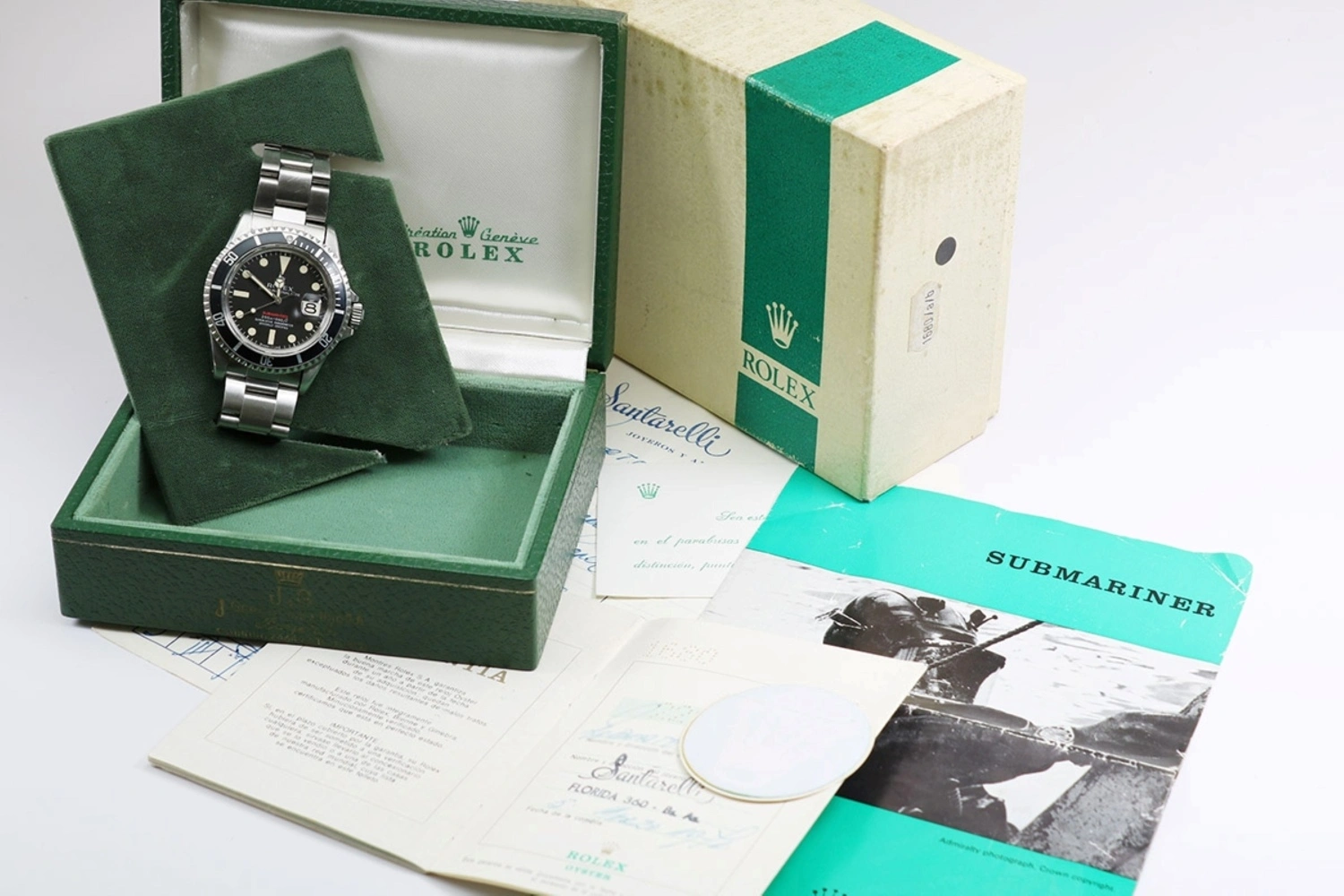
There are a few factors that can increase value aside from the brand name.
- Complete Documentation: Full sets may increase offers by 5 – 10%. That includes items like the original box the watch came in, warranty cards, brand booklets, sales receipts, and even service paperwork.
- Excellent Condition: Watches in excellent condition have minimal signs of wear and have all their original components.
- Authorized Service History: Recent records from authorized service centers can show the watch is genuine and has been properly maintained.
- High-Demand Models: The more popular the watch, the higher the resale value in most cases. Some examples include the Rolex Submariner, Rolex Daytona, Rolex GMT Master II, Patek Philippe Nautilus, and Audemars Piguet Royal Oak.
- Strong Secondary Market Condition: Lenders may offer higher LTVs when pre-owned demand is high.
- Existing Lending Relationship: A history of on-time payments can lead to more competitive loan offers from some lenders.
Factors That Decrease LTV Ratios
Alternatively, some variables can also reduce borrowing potential.
- Missing Box and Papers: Buyers generally feel more confident purchasing used watches with the original box and papers. Watches without those items can have a 10–15% lower resale value on the used watch market.
- Poor Condition: Signs of heavy polishing, damaged parts, aftermarket modifications (such as diamonds or custom dials), or excessive wear can all negatively impact value.
- Outdated Service History: Servicing through authorized service centers can be costly. Resale value is lower if a watch is overdue.
- Weak Market Demand: Less desirable models are harder to resell and usually net more conservative LTV percentages.
- Authentication Concerns: Authenticity matters with any reputable lender. Value drops if there’s any uncertainty about a watch or its provenance.
Pre-Owned Watch Loan Valuations vs. Retail Pricing
As we mentioned above, new borrowers might initially assume retail pricing or insurance value influences pre-owned watch loans. However, they’re actually based on the current secondary market.
Why is that, though?
It ultimately comes down to how easy it is to resell the watch on the pre-owned market if it needs to be liquidated later to recoup the loan. Retail pricing isn’t a factor.
Below are a few examples of retail vs. pre-owned pricing when it comes to lending:
Rolex Daytona 126500:
- Retail: $16,900
- Resale value: $35,000
- 70% LTV loan offer: $24,500
Patek Philippe Nautilus 5811/1G
- Retail: $82,021
- Resale value: $174,000
- 65% LTV loan offer: $113,100
Omega Speedmaster ref. 310.32.42.50.01.002
- Retail: $8,600
- Resale value: $6,050
- 60% LTV loan offer: $3,630
As illustrated above, some of the more sought-after models trade hands for well above original retail prices, which can net higher loan offers.
See what the New Releases Mean for Resale Values and Watch-Backed Loans
Understanding Luxury Watch Pawn Value
Luxury watch pawn value is a general term for the conservative value lenders assign to assets when determining loan offers. It differs from insurance or retail value because it accounts for factors such as market fluctuations, the time required to resell a specific watch, servicing expenses, and overall risk.
To protect both the lender and the borrower, the lender will factor in a bit of cushion with the loan offer. That’s where LTV comes in. Borrowers benefit from immediate liquidity, and lenders have some breathing room in case of sudden market fluctuations.
Calculating Your Watch Collateral Loan Amount
Follow these steps to estimate your potential watch collateral loan amount:
Step 1: Research secondary-market pricing using resources such as Chrono24, auction results, resale dealer listings, and WatchCharts.
Step 2: Assess condition. Poor, fair, good, or excellent.
Step 3: Gather documents. Complete sets command higher premiums.
Step 4: Determine the brand tier listed in the sections above. Premium brands net higher LTVs.
Step 5: Calculate LTV. A Rolex GMT Master II valued at $18,000 might net a 70% LTV, or a loan of $12,600.
Step 6: Consider condition. Value may be lower if the watch is missing its box and papers, has damaged parts, or shows signs of heavy polishing.
Borrowers can apply for an offer directly through Qollateral’s watch loan application portal.
How Lenders Determine LTV Ratios
Reputable lenders will consider several factors during an appraisal:
- Authenticity
- Brand recognition
- Market liquidity
- Resale history
- Current demand
- Service history
- Overall condition
On top of that, Qollateral uses real-time market data and closely watches pre-owned market trends to deliver the most competitive loan offers.
Know Your Watch’s Borrowing Potential
Knowing how luxury watch loan-to-value ratios work can help borrowers use their assets to their full potential. That means higher loan offers and more liquidity. To recap, most watches fall within the 50–75% LTV range, depending on factors like brand, overall condition, and demand. Additionally, premium brands carry more weight, especially in-demand watches or those with full sets.
Visit Qollateral to make an appointment for a free, no-obligation appraisal or to find out more about how to borrow against Rolex, Patek Philippe, Omega, and more.
- 100% Discreet
- 100% Safe
- 100% Secure
- 100% Risk-free
- 100% Insured
- 100% Satisfaction Guarantee
