

 Updated May 22, 2026
 7 minute read
Diamonds are one of the most popular assets we see here at Qollateral. Most people own at least one, whether it’s a loose stone or one set in a sparkling engagement ring. What some might not be aware of, though, is that certifications, specifically GIA Triple X, can greatly affect offers when applying for a loan against diamond jewelry. Understanding GIA certifications and why they matter can mean the difference between a $10k loan and a $15k loan. Here’s how it works.
Click here to learn more about collateral loans.
Understanding GIA Diamond Certification
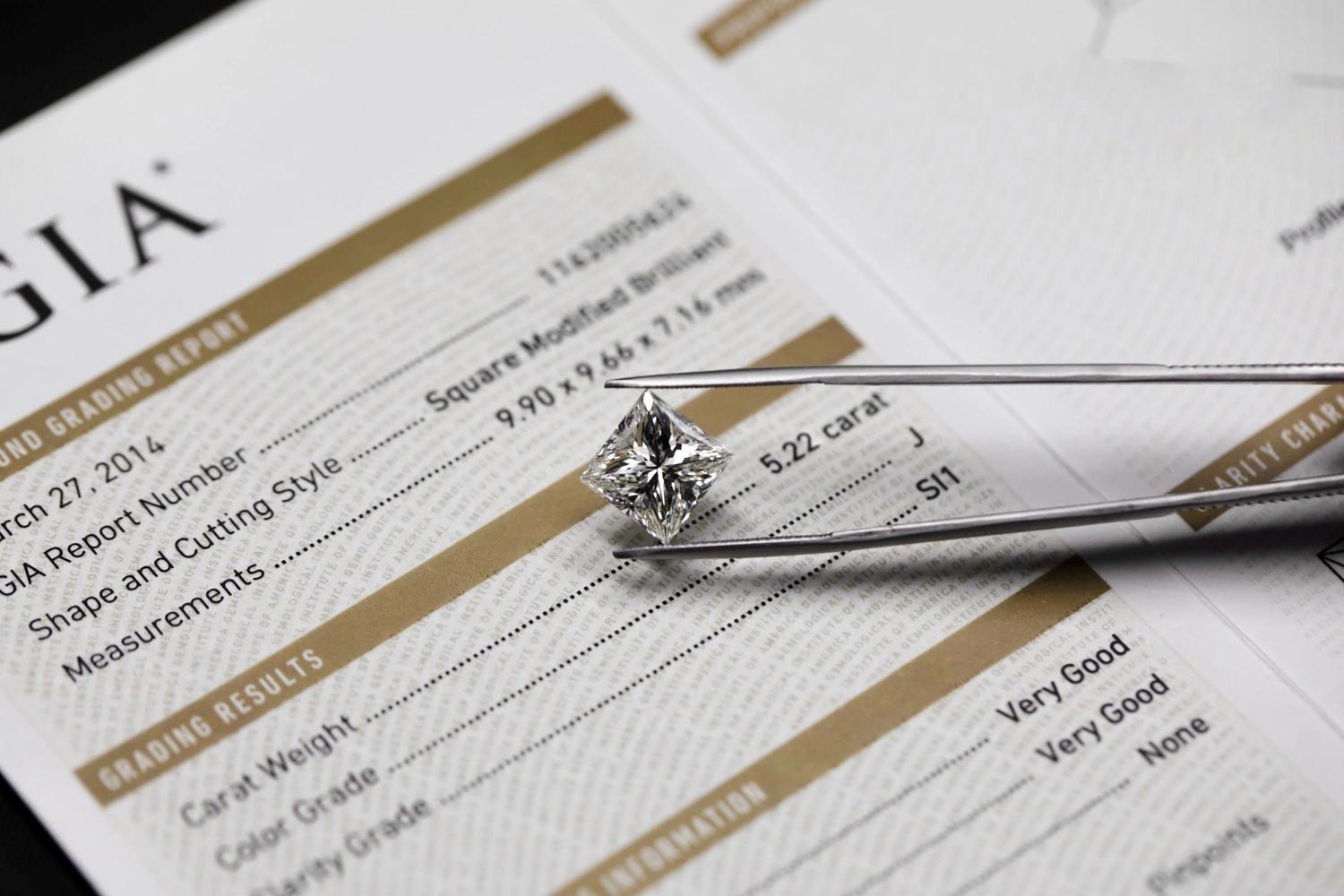
Diamonds are valuable assets and often even sentimental purchases. So, it makes sense to seek out the most radiant, highest-quality stone when investing in one. That’s where GIA comes in. The Gemological Institute of America (GIA) is the industry standard for diamond grading and bases its reports on the 4 C’s: carat, cut, color, and clarity. The report also factors in fluorescence and proportions.
Why is a GIA certificate important? It removes the guesswork from lending by providing a solid, standardized way to assess GIA diamond value. As a result, GIA-certified diamonds have greater resale value, which significantly reduces risk for lenders. That’s why certified diamonds often net higher loan offers than uncertified stones.
What is GIA Triple Excellent?
GIA Triple X is a rating assigned to round diamonds with “Excellent” grades in cut, polish, and symmetry.
Cut: how well a diamond sparkles thanks to the shape of its facets. An excellent cut sparkles better and has what jewelers call “fire.”
Polish: the smoothness and finish of a diamond’s surface. Poor polishing can leave behind blemishes.
Symmetry: A diamond with excellent symmetry has facets that meet at exactly the right points throughout the diamond.
Diamonds with a Triple Excellent rating represent only about 3% of all graded stones. They are cut to maximize sparkle, which makes them incredibly exclusive and highly desirable both at retail and on the secondary market.
How GIA Diamond Value Affects Loan Amounts
When it comes to lending, better documentation leads to stronger offers. Diamonds with GIA reports can command up to 15% – 25% more than similar uncertified stones.
Why? GIA reports make it easier for lenders to authenticate and value stones. Those diamonds also have more predictable resale values and much lower risk in case of loan default. These are all factors that directly increase value when lending.
Triple Excellent Diamond vs. Lower Grades in Loan Valuations
How diamonds are valued when used as collateral:
- Triple Excellent: Highest loan-to-value ratios
- Excellent/Very Good: Moderate loan offers
- Good or Lower: Noticeably reduced values
- Uncertified: Lowest offers due to uncertainty
A GIA diamond might secure a $15,000 collateral loan, while a riskier, uncertified diamond might receive around $10,000. That gap is driven, in large part, by lender confidence and overall market demand.
Why Triple Excellent Diamonds Command Premium Loan Offers
We touched on this topic a bit earlier, but Triple X diamonds command a premium for a few reasons. For starters, they’re easier to price, have stronger resale value, and are therefore easier for lenders to sell, and are actively sought after by various types of buyers. There’s also a much lower chance of appraisal disputes due to their precise, GIA-backed grading. For lenders, they’re simply more reliable assets than uncertified stones.
The Complete Diamond Documentation Package
Documentation is incredibly important when maximizing any loan offer, not just diamonds. Complete documentation can increase loan offers by 10% – 20%. We recommend bringing the following to an appraisal:
- The original GIA certificate
- The diamond or diamond jewelry
- Purchase receipts or prior appraisals
- Insurance paperwork
How to Borrow Against Diamond Jewelry with GIA Certification
Diamond loans work like any other collateral loan. Here at Qollateral, it’s always safe, quick, and very transparent.
Start by gathering the diamond and GIA certifications. Then, head over to Qollateral and request a preliminary quote. The next step is to schedule an in-person appointment with our team for an expert diamond appraisal. We will provide an insured shipping label for clients who aren’t local to us in NYC. After examining the diamonds in person, we will provide an official loan offer. To move forward, simply sign the loan agreement and receive instant funding. All diamonds are stored in a monitored vault inside the International Gem Tower and can be collected once the entire loan amount is repaid.
You retain ownership throughout the loan while enjoying instant liquidity.
Beyond Triple Excellent: Other Certification Factors that Matter
A high GIA rating is certainly important to loan values, but there are other factors lenders will consider as well:
Fluorescence: It’s possible for diamonds to glow under UV light. The amount is graded from none to very strong and can vary in color. Fluorescence isn’t necessarily a good or a bad thing. But strong fluorescence can affect value in some resale markets.
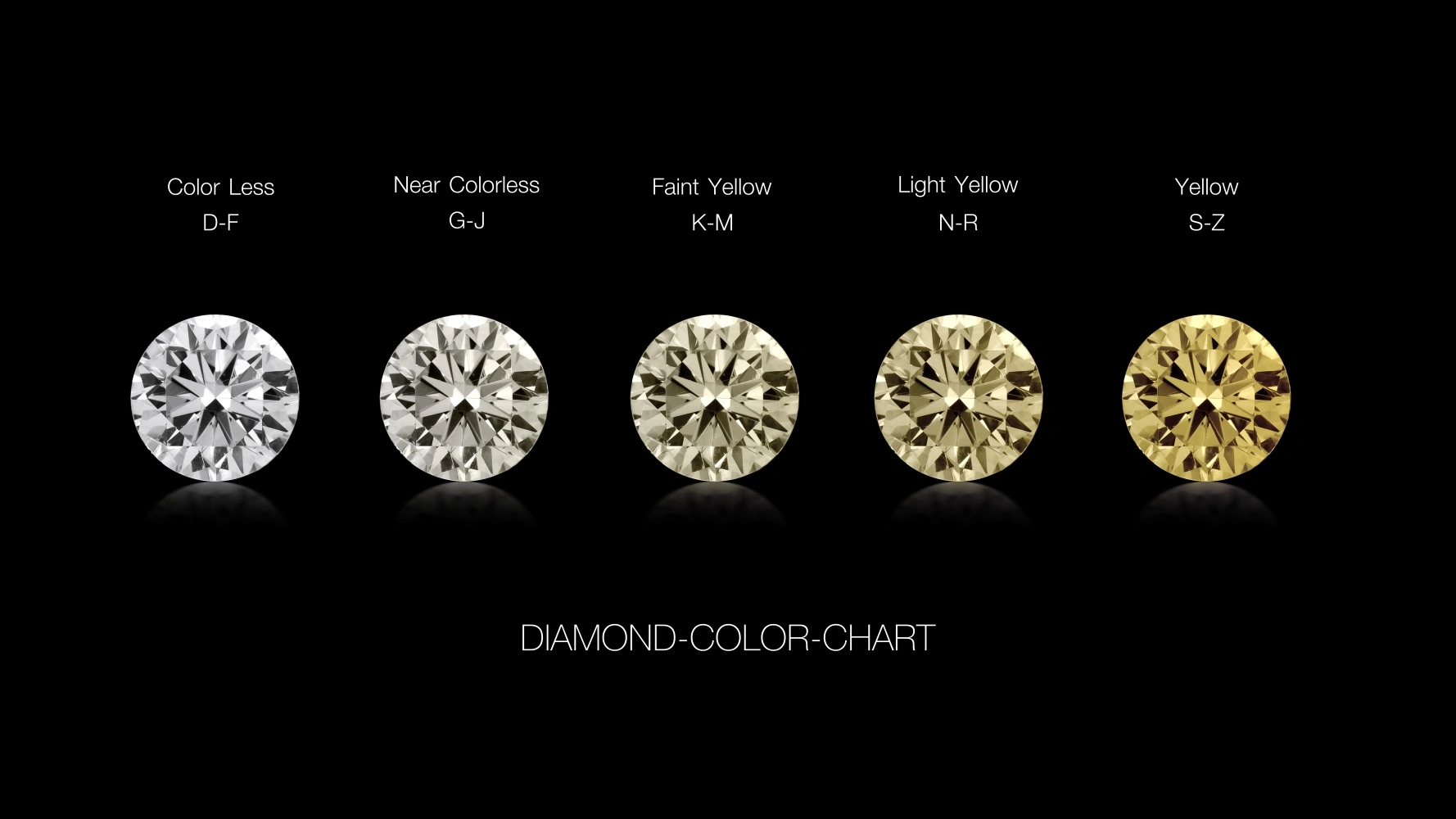
Color: Diamond colors range from D (completely colorless) to Z (brown or yellow hues). Colorless diamonds are rarer and more valuable.
Clarity: In diamond grading, clarity is based on the inclusions or blemishes a stone has. Inclusions are internal flaws, and blemishes are external flaws. The scale ranges from Flawless (FL) to Included (I1, I2, I3).
Carat Weight: A diamond’s mass. 1 carat = 200 milligrams.
Certificate Age: GIA certificates don’t expire. However, older certifications might not reflect newer damage, such as blemishes from repolishing. That’s why age can affect the loan offer in some cases.
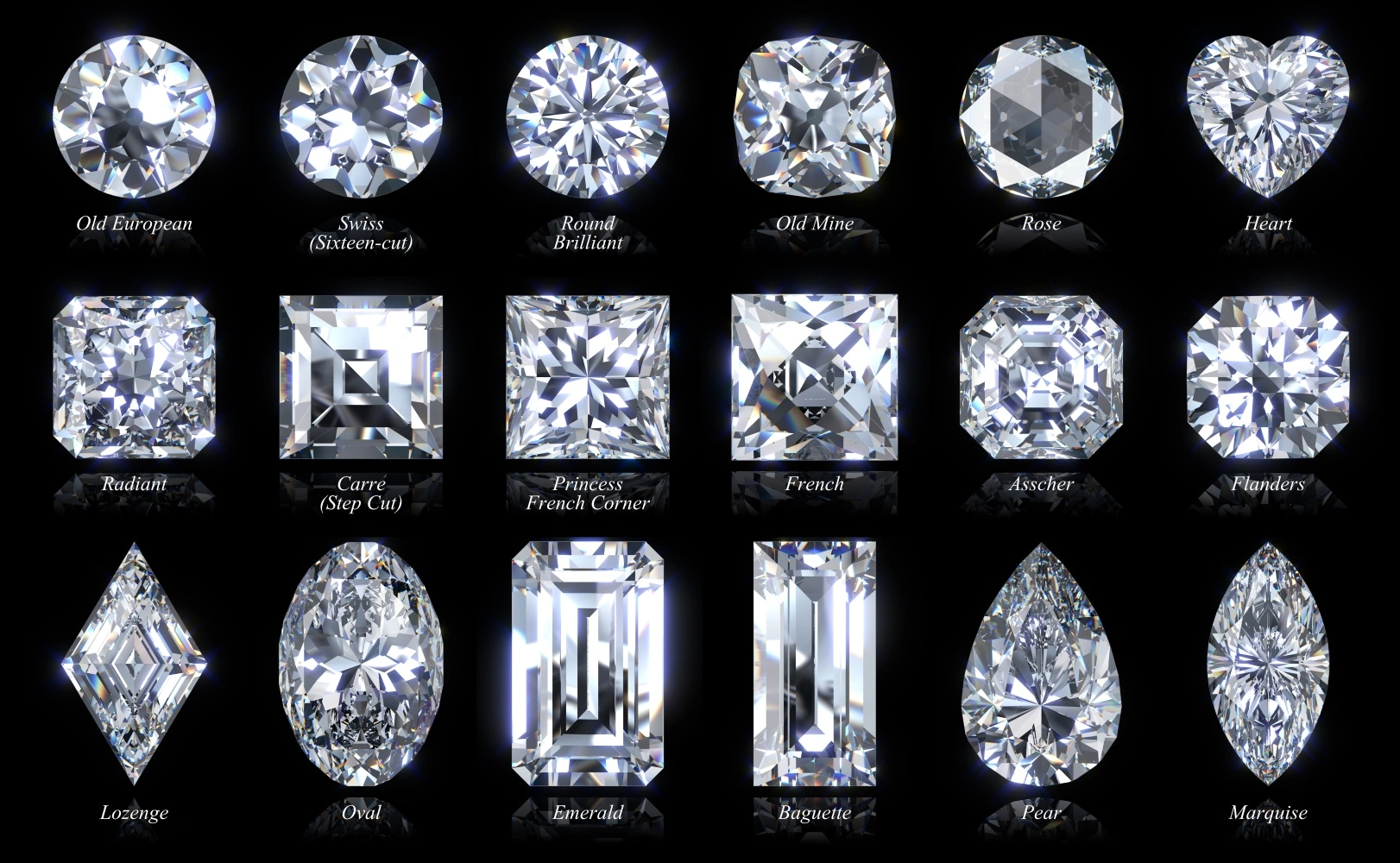
Fancy Shapes: Diamonds come in many shapes, including “fancy” shapes like pear, oval, or marquise cuts. Brilliant cut stones are the most popular and make up more than 70% of the world’s diamonds.
Maximizing Your Diamond Loan Value
What steps can people take to get the most out of their loan against diamond jewelry? Keep the GIA certificate in a safe place. If it’s outdated, consider having the diamond re-certified.
Take the time to understand the diamond. How much does it weigh? What is the cut? What is the clarity? Etc. Working with experienced lenders is incredibly beneficial because they can properly value diamonds based on their specs.
Common Misconceptions About Diamond Certifications
All certifications are equal. Not true. GIA is the gold standard globally.
Certification doesn’t affect loans. Also, not true. Certifications have a significant impact on loan valuations by reducing the lender’s risk.
Triple Excellent is just marketing. “Triple Excellent” is a high rating in diamond-grading. It reflects measurable quality.
I’ll get the same loan without a certificate. That isn’t very likely, as higher-rated, certified stones are worth much more on the secondary market than uncertified stones.
Certification Equals Maximum Value
Here’s the bottom line: a GIA rating isn’t just a fancy technical term. It’s an indicator of high quality that instills better confidence in lenders. That means higher loan offers and quicker approvals. If you’re considering securing a loan against diamond jewelry, having a GIA certification can help you secure a better offer.
Contact the Qollateral team for a free, no-obligation quote.
- 100% Discreet
- 100% Safe
- 100% Secure
- 100% Risk-free
- 100% Insured
- 100% Satisfaction Guarantee
FAQs
What happens if I lose my GIA certificate? Can I still borrow against diamond jewelry?
Yes, but the offer might be for a lower amount. Request a replacement report directly from GIA or have the diamond re-certified.
Do other certifications affect loan values the same way as GIA?
Some certifications (for example, AGS) are very respected in their own right. However, GIA typically carries more weight because it follows stricter standards.
Can I recertify my diamond to increase its loan value?
Yes. This is especially true if the certification comes from a reputable lab, such as GIA.
Do diamond values change over time?
Yes, market demand and pricing trends can change, which can affect new loans.
