

 Updated July 1, 2026
 9 minute read
Collector and exotic cars occupy an interesting niche in the luxury world. They aren’t just typical vehicles. They’re sought-after assets that require significant financial investments and, in many cases, boast decades of careful, continuous ownership. They don’t usually depreciate the way other cars do, either, and, as a result, serve as excellent sources of liquidity. When considering a collector car appraisal for a loan, it’s important to understand that it works differently from a dealership trade-in estimate or an insurance valuation.
Dealerships and insurers might be more interested in how quickly they can resell the car or in the replacement costs. Collateral lenders focus more on the car’s wholesale market value. Knowing how the appraisal process works can help borrowers prepare their vehicle for a loan and set realistic expectations.
What Lenders Look At: The Core Appraisal Factors
Like many luxury assets, lenders consider several different factors during the collector vehicle appraisal process. That might include condition, auction comparables, and cars with matching numbers, aka cars with original, factory-installed components. It’s exhaustive, and for good reason. Two examples of the same, ultra-rare car models might have vastly different loan values if one is in better condition than the other. Rarity alone does not guarantee a strong loan offer. Understanding which factors collector-vehicle lenders consider helps set realistic expectations before starting the loan process.
Condition
Condition refers to the car’s physical and mechanical condition. Things that might come into play here are how the engine runs, exterior paint and bodywork, suspension, undercarriage, and interior upholstery and consoles.
Additionally, cars with original parts carry just as much weight for some enthusiasts as those in perfect condition. An unrestored vehicle with the original factory finishes may appraise for more than a pristine, fully restored example of the same car. That depends, of course, on the specific model and overall market demand.
Originality
That brings us to originality. Matching numbers collector cars with factory-correct engines, drivetrains, interiors, wheels, and even trim are often more valuable because it’s harder to find some collector cars in original condition. It’s true that there are plenty of vehicles on the market today with professionally installed aftermarket modifications that certainly look outstanding, but factory specs generally deliver stronger appraisals.
Provenance
A rich, verifiable history can make an already desirable collector car even more valuable. Cars owned by celebrities, racing teams, or notable collectors, such as former late-night talk show host Jay Leno, who has been known to show off his collection, can be more valuable than similar models from lesser-known owners. Competition history and a well-established chain of past ownership also help strengthen a car’s provenance and pre-owned market value.
Documentation
Tangible proof of authenticity, from documented ownership history to the original dealership paperwork, instills collector confidence and ultimately strengthens pre-owned market value. Other forms of documentation might also include original window stickers, factory build sheets, purchase invoices, restoration records, and service receipts. Documented maintenance performed by marque-authorized specialists (brand-approved mechanics or repair shops) can also add value by demonstrating the car was properly cared for.
Rarity
More elusive models, such as limited-production cars, special editions, homologation cars (street-legal cars built by manufacturers to meet racing regulations), and those with historically important specifications, command a premium because demand often far exceeds current secondary-market supply. Lenders will also consider the number of surviving models relative to production numbers when appraising a rare car.
Current Secondary Market Demand
Most importantly, lenders will consider the current secondary market for collector car values. That means actual selling prices, not retail asking prices. Those are the results (auctions and sales through specialized dealers) that ultimately determine pre-owned value and how much a collector can borrow against their car.
Vintage Car Appraisal for Loan: Why Documentation Matters
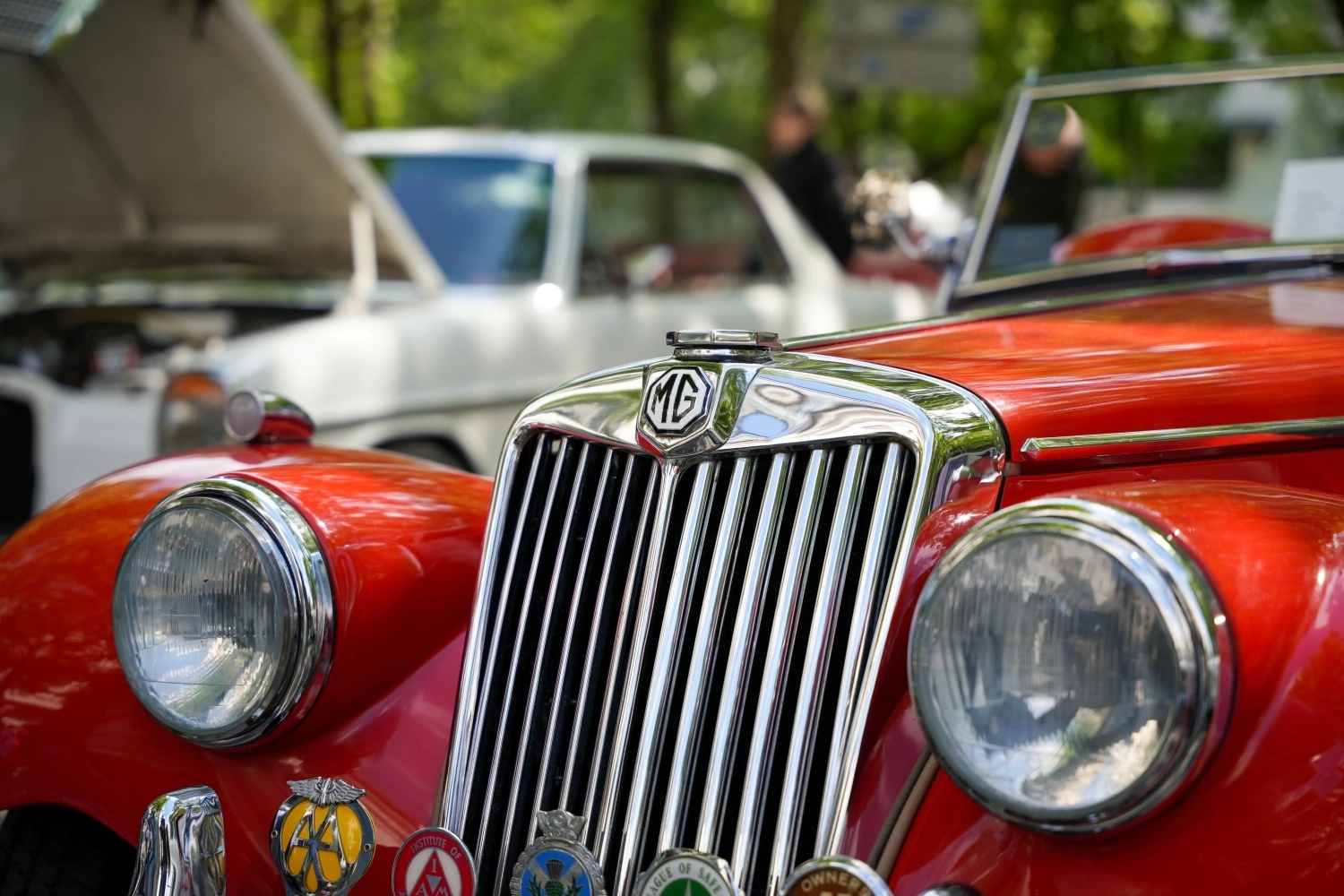
A vintage car appraisal for loan purposes relies heavily on documentation, which is also one of the factors most within the owner’s control. Even if the car no longer has any documentation, manufacturer archives may still be available for some older pre-war and early post-war models.
A few examples of documentation that might come with a vintage car include factory build records, original car titles, restoration photographs, service history, marque club certifications, and records from previous auction results. It’s important to note that these items won’t create value where there is none, but missing paperwork can make it more difficult to verify a car’s history/authenticity. As a result, values might be more conservative when it comes time to borrow against collector cars.
Exotic Car Appraisal: Evaluating Modern Performance Cars
An exotic car appraisal adheres to a different set of standards than a classic or vintage car appraisal. For example, reversible modifications, if done in a very tasteful manner, might have very little impact on value, while significant changes to the car’s mechanics or cosmetics can greatly affect collateral value. Furthermore, correspondence from the manufacturer and original delivery documentation add provenance and can help a car secure a higher loan offer.
Collector Car Loan Value: How an Appraisal Becomes a Loan Offer
Once the appraisal is complete, the next step is to determine the collector car loan value. The offer is based on the car’s appraised wholesale or secondary market value, not its retail price, insured value, or sentimental value. From there, each lender will use its own criteria to determine the loan amount.
At Qollateral, all offers are based on the wholesale value of the car at the time of the appraisal. Loans are non-recourse, which means no personal guarantee is required. Instead, the vehicle serves as collateral for the loan. There is absolutely no impact on the borrower’s credit history.
Classic Car Loan Value: Factors That Influence the Final Offer
Several factors can affect the final car loan value, even after the appraisal is completed.
Market Timing: Classic car values can rise or soften as demand ebbs and flows. Both the lender and the borrower need to follow trends to ensure the best possible loan offer.
Condition vs. Expectation: Current market conditions and owner expectations might not always align. While the owner might also consider sentimental value, money invested in restoration or maintenance, and the original price paid as part of the car’s overall value, none of those factors play a role in the final loan offer. What matters most is the liquid wholesale value of the car, or how much buyers are willing to pay in the current market.
Deferred Maintenance: A car that appears well-cared-for but needs serious mechanical work will usually receive a lower loan offer than a car that is fully serviced and ready to sell.
Geographical Market: Certain models might be more popular in other parts of the world. That can greatly affect how easily the car can be sold if it comes down to it. Time and resources might be needed to find an international buyer and sort out logistics.
How Qollateral Appraises Collector Vehicles
Qollateral is the industry’s leading luxury asset lender. Every collector vehicle is evaluated by our team using precise secondary-market data, while considering factors such as condition, originality, documentation, and demand.
The process starts by requesting a loan offer through our convenient online collateral loan portal. Preliminary quotes are completely free, and there is absolutely no obligation to commit.
Qollateral coordinates fully insured transportation for clients outside New York. Vehicles valued at $100,000 or more qualify for armored carrier transportation at no additional cost. Furthermore, all vehicles are stored in a secure, fully insured facility throughout the loan term.
Learn more about Qollateral’s Luxury Car Collateral Loans.
How to Prepare Your Vehicle for a Stronger Appraisal
Before submitting your vehicle:
- Gather documents, including service records, build sheets, and ownership history.
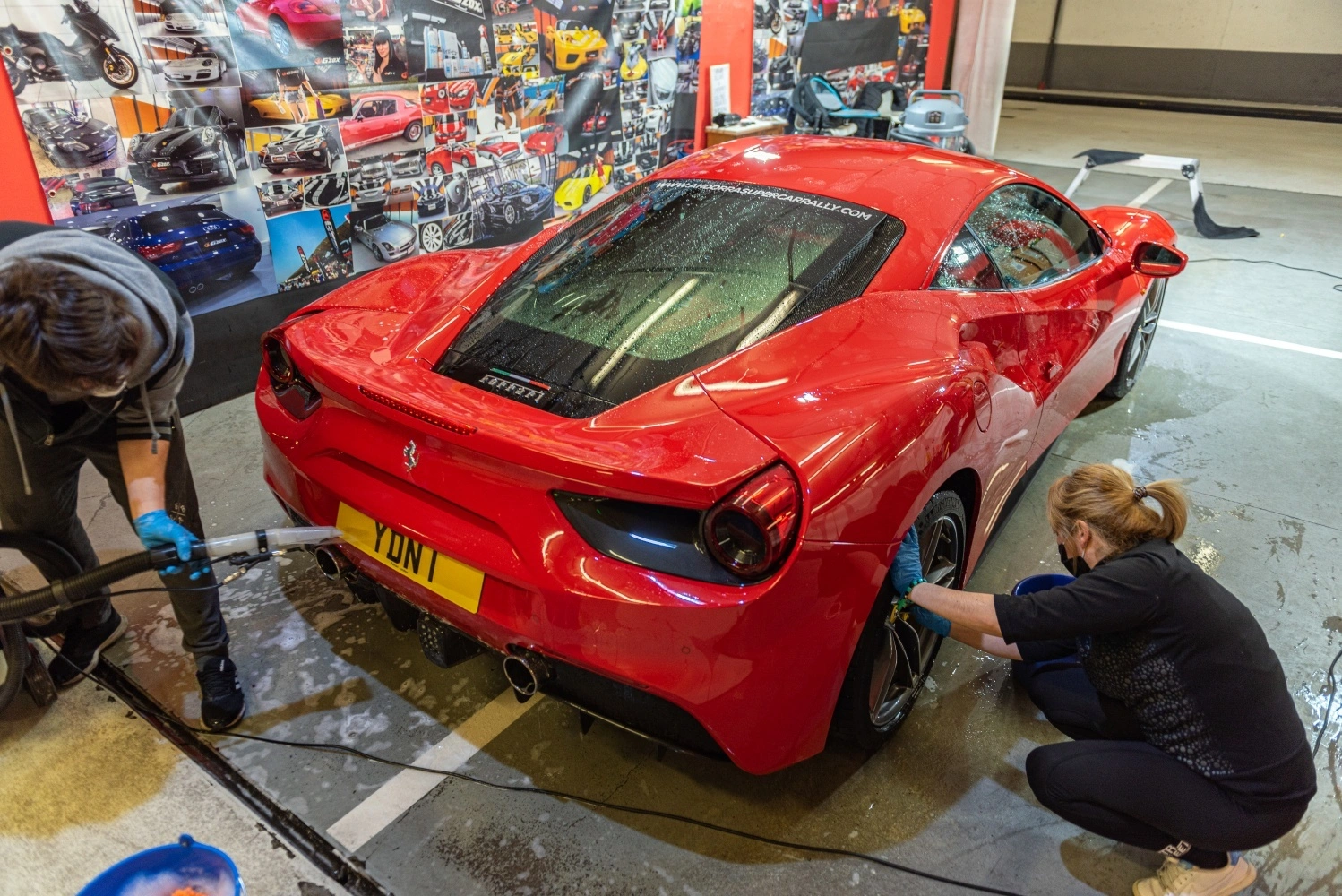
- Have the car professionally cleaned before taking photos.
- Be completely transparent with the lender about any modifications or restoration work that might affect value.
- Include records of recent maintenance performed by marque specialists.
- Study the market (recent auction sales) to get a realistic understanding of value before the appraisal.
Frequently Asked Questions
Is a third-party appraisal required before applying for a loan with Qollateral?
No. Qollateral performs its own appraisals. They are completely complimentary, with no pressure to commit.
Can two seemingly identical vehicles appraise at very different values?
Yes. It’s possible for a car with original factory parts to appraise for more than another car of the exact same make and model that isn’t in original condition. Mileage, service history, and condition can all play a factor in overall value as well.
How does a vehicle’s auction history affect its appraisal?
Auction results can help establish pricing trends and market demand for comparable collector cars.
What if I disagree with the appraisal value Qollateral provides?
The goal at Qollateral is always to provide fair, competitive quotes using the most accurate market data available. With that said, there is never any pressure to commit.
Can I get a preliminary estimate before physically submitting my vehicle?
Yes. Borrowers can submit photographs and other details about their vehicle online for a preliminary quote. Arrangements will be made to appraise the car in person if they choose to move forward with the loan.
Does the appraised value change if my vehicle appreciates during the loan term?
The appraisal reflects the car’s fair market value at the time of the appraisal. Future market movements do not guarantee a change in the loan terms.
Final Thoughts On Borrowing Against Collector Cars
A collector car appraisal is more than simply assigning a dollar amount to an expensive car. It requires thoughtful evaluation from an experienced professional. Someone who can properly evaluate condition, provenance, rarity, and current market trends to help you secure the absolute best loan offer and instant liquidity. Find out how your vintage sports car, modern exotic, or rare collector vehicle can work for you.
Contact the Qollateral team today to schedule a free, no-obligation appraisal.
- 100% Discreet
- 100% Safe
- 100% Secure
- 100% Risk-free
- 100% Insured
- 100% Satisfaction Guarantee
