
 Updated October 21, 2026
 7 minute read
Classic cars vs modern exotics. A lot of factors matter when comparing which serves better as collateral. In some cases, classic cars, especially rare, thinly traded models, have much smaller buying pools but immense appreciation potential. The market for modern exotics, by contrast, is much larger and therefore more predictable. For lenders, those distinctions matter. The best cars for collateral do not necessarily have the highest price tags. Instead, lenders consider factors like the car’s overall condition, collector market demand, and liquidity.
Let’s break down how each category compares to determine which is more ideal for a collateral loan.
Collateral Value vs. Investment Value: Why the Distinction Matters
With a classic car or modern exotic car collateral loan, the vehicle itself serves as security for the loan. If the buyer stops making payments, the lender will use the car to satisfy the remaining debt. In that case, lenders rely more on how quickly and predictably a car can be resold if needed, and what its potential resale price will be. A larger buying pool supports a more predictable resale market and better liquidity.
Investment value approaches high-end vehicles from a slightly different angle. With a collector car investment, the focus shifts from liquidity to long-term value and potential appreciation. The car’s rarity, whether it is still being made, its historical significance, originality, and collector demand all play a role. Some of those factors are also important to lenders. However, strong investment potential doesn’t always mean a car will be an excellent candidate for collateral.
That brings us back to the buyer pool. A rare make and model might command a massive premium when it comes time to sell. Still, with limited collectors available to buy it, its value isn’t as predictable as a more common, in-demand car that trades quickly on the secondary market.
The Case for Classic Cars as Collateral
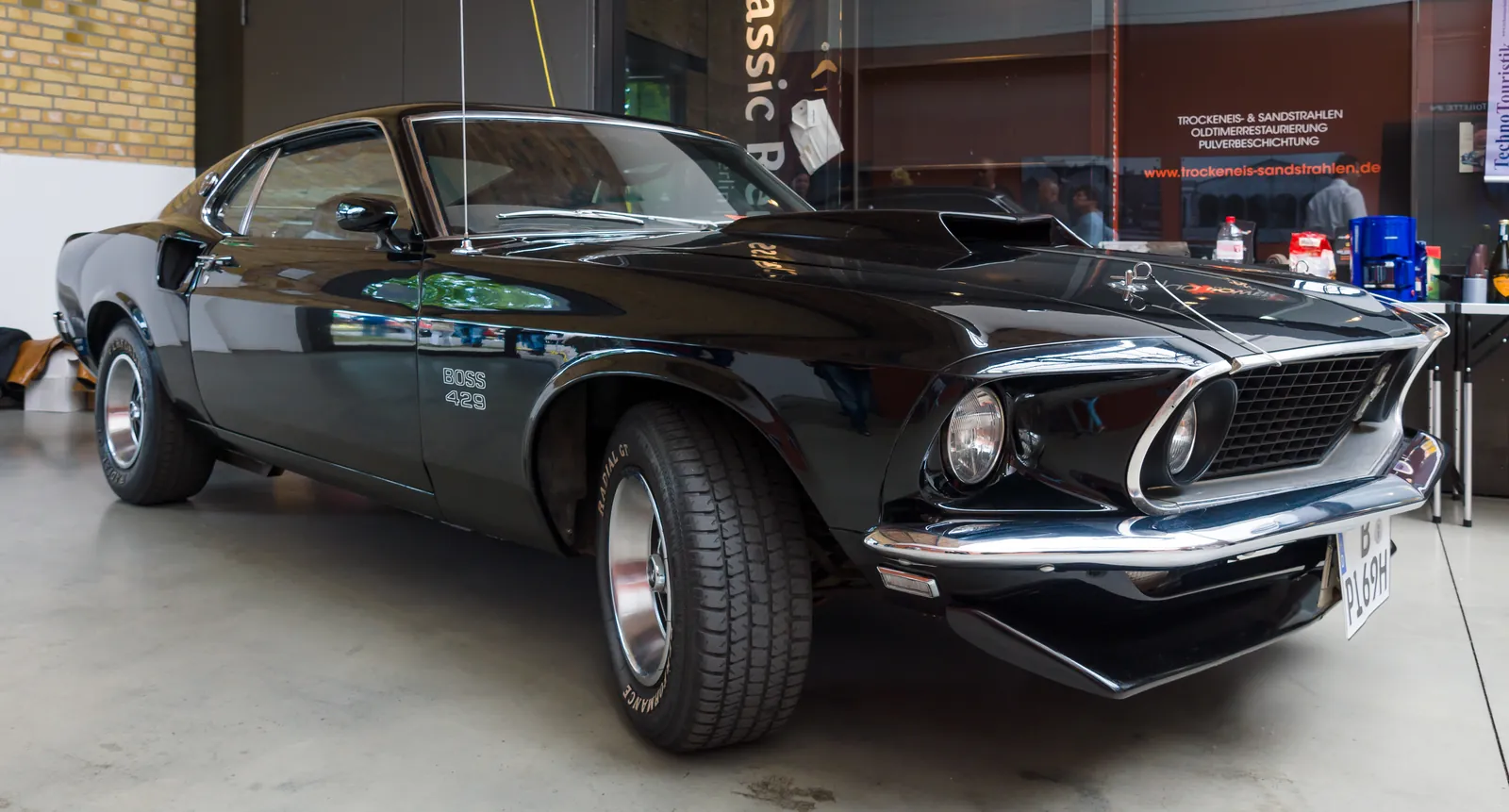
Classic cars are generally historically significant vehicles that are 20 or more years old. But how old a car must be to be considered a true classic is hotly debated in collector circles. For example, according to the Classic Car Club, classic cars are usually “fine” vehicles from 1915 to 1948. The Antique Automobile Club of America, on the other hand, uses a more forgiving 25-year threshold.
Decades of collector demand and an established secondary market can help determine which collector cars hold value the best. Blue-chip classics with a reliable track record among collectors can also be ideal collateral because their resale markets are more solid and predictable. Alternatively, less well-known, less sought-after classics have a smaller pool of buyers and are harder for lenders to resell quickly.
The Case for Modern Exotics as Collateral
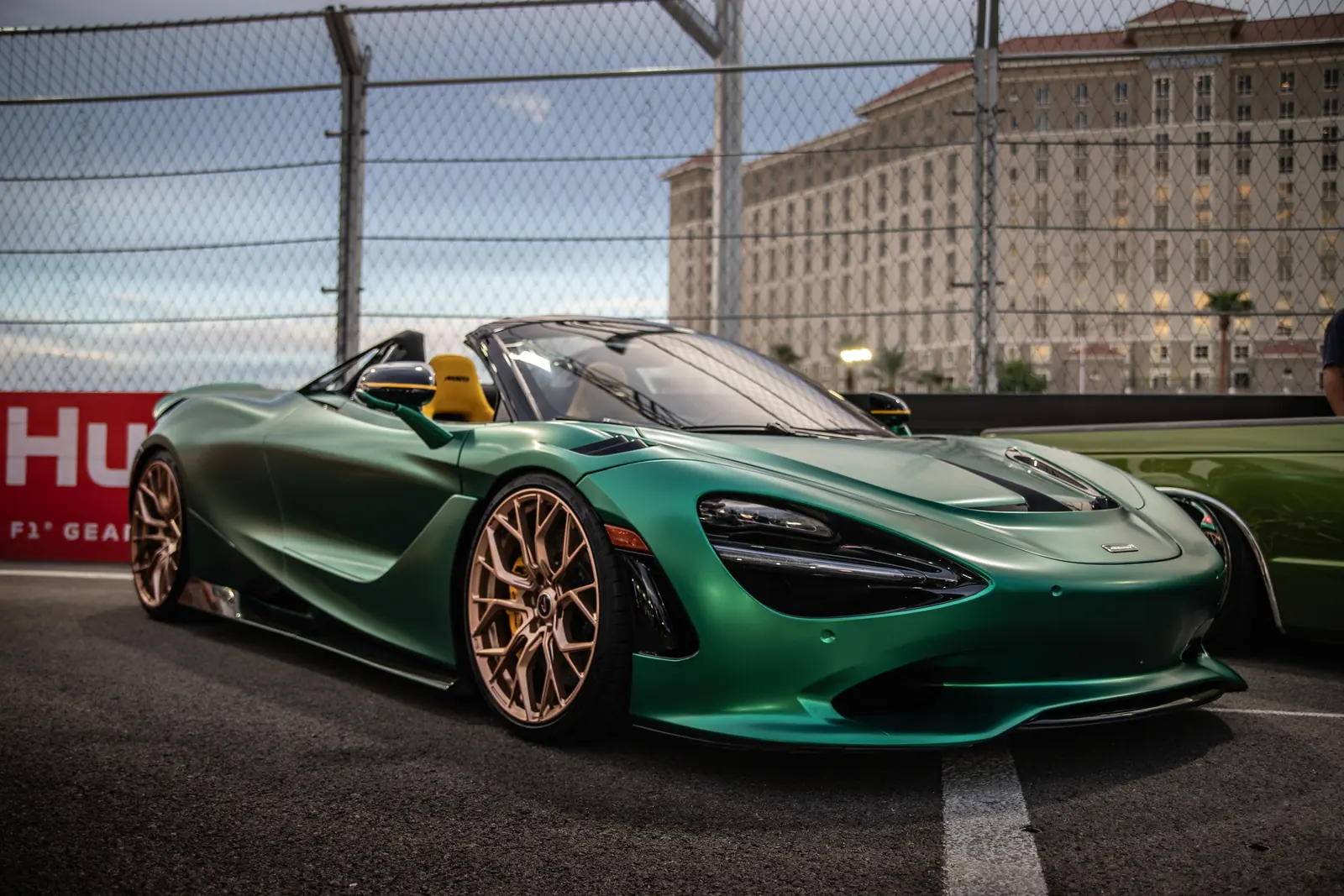
Modern exotic cars are generally considered contemporary, high-performance vehicles developed with top luxury materials and next-level engineering. While not as rare as some classic cars that stopped being produced decades ago, modern exotics are still quite exclusive with limited inventory. They aren’t mass-produced like traditional luxury cars. In other words, you aren’t unlikely to see a Ferrari F80 or McLaren 750S sitting next to you at a red light any time soon.
The advantages of a modern exotic over a classic car are a more active global secondary market and, as a result, a deeper pool of potential buyers. A more active market also gives lenders more readily available sales data to reference, making it easier to set accurate exotic car values for loan offers.
So, which exotic cars hold value best? Most standard-production exotics depreciate in the first few years, which can make them weaker collateral. Models with established demand, limited production numbers, and a stronger secondary market, on the other hand, usually hold value better.
What Actually Makes a Car Good Collateral
The best cars for collateral have predictable resale values, strong market demand, and the documentation and condition to support their worth.
- Liquidity: In lending, liquidity refers to how quickly a car can be sold to satisfy the loan if the borrower stops making payments. Larger buying pools often support more predictable resale prices, which can result in more favorable collateral valuations.
- Documentation and Provenance: A clean title, recorded service history, and, where applicable, matching numbers and factory certification can strengthen a car’s collateral value.
- Condition and Originality: Well-maintained cars in excellent condition, especially those with original factory specs, generally command stronger and more predictable resale values.
- Predictable, Data-Backed Valuation: Vehicles with active resale markets and reliable sales data are easier to value than thinly-traded models. Qollateral relies on wholesale and secondary market data rather than retail asking prices or trade-in guides.
Classic Car Collateral Loan vs. Exotic Car Collateral Loan: How Borrowing Works

The borrowing process at Qollateral is essentially the same, whether the borrower is applying for a classic car collateral loan or an exotic car collateral loan. Both are short-term, non-recourse loans, which means the vehicle itself satisfies any outstanding balance if the borrower stops making payments. There is no personal liability, and it does not affect the borrower’s credit. The owner also retains ownership of the vehicle and can reclaim it once the loan balance and principal are paid in full.
The process starts by requesting a quote via our online portal. Qollateral will then send over a preliminary loan offer based on wholesale and secondary market values as well as factors like overall liquidity, condition, and documentation. Our team will then arrange an in-person appraisal before presenting a final loan offer. If the borrower chooses to move forward with the loan, we place the classic or exotic car in a secure, fully insured storage facility, where it stays for the duration of the loan term. Funding is fast, sometimes as quickly as the same day, with loans ranging from $50,000 to $2.5 million.
To recap:
- Request a quote online
- Receive a free, preliminary offer
- Complete the in-person appraisal
- Secure storage and funding
- Repay the loan and reclaim the vehicle
So, Which Type of Vehicle Is Better Collateral?
When comparing classic cars vs modern exotics, neither category is inherently better collateral than the other. The strongest collateral, for the most part, is backed by outstanding liquidity, predictable secondary-market values, and thorough documentation. Before applying for a classic or exotic car-backed loan, we encourage owners to first consider its condition, service history, and buyer pool rather than just its age or original sticker price.
Find out how much you can borrow against your classic or exotic car. Contact the Qollateral team for a free, no-obligation evaluation.
FAQ Section
Can I borrow against a classic car?
Yes. Qollateral accepts many qualifying classic and collectible cars as collateral for short-term loans.
Do modern exotics lose too much value to be good collateral?
Not always. Some standard-production exotic cars depreciate considerably in the first few years after leaving the dealership. However, limited production and solid collector favorites often hold value better.
How does a car collateral loan differ from auto financing or a title loan?
Traditional auto financing is when a buyer borrows money from a financial institution or lender to purchase a car. Title loans let people borrow against their car and keep driving it throughout the term. Qollateral takes a completely different approach through short-term, non-recourse lending. The car is stored in a fully insured facility to preserve its value, not driven around. What’s more, it does not require a credit check or any credit reporting.
- 100% Discreet
- 100% Safe
- 100% Secure
- 100% Risk-free
- 100% Insured
- 100% Satisfaction Guarantee
