
By Michael Manashirov, COO of Qollateral
Updated January 15, 2026 | 6-Minute Read
Key Takeaways:
- Rolex prices rose 5-7% in 2025 and are expected to increase another 1-6% by the end of 2026
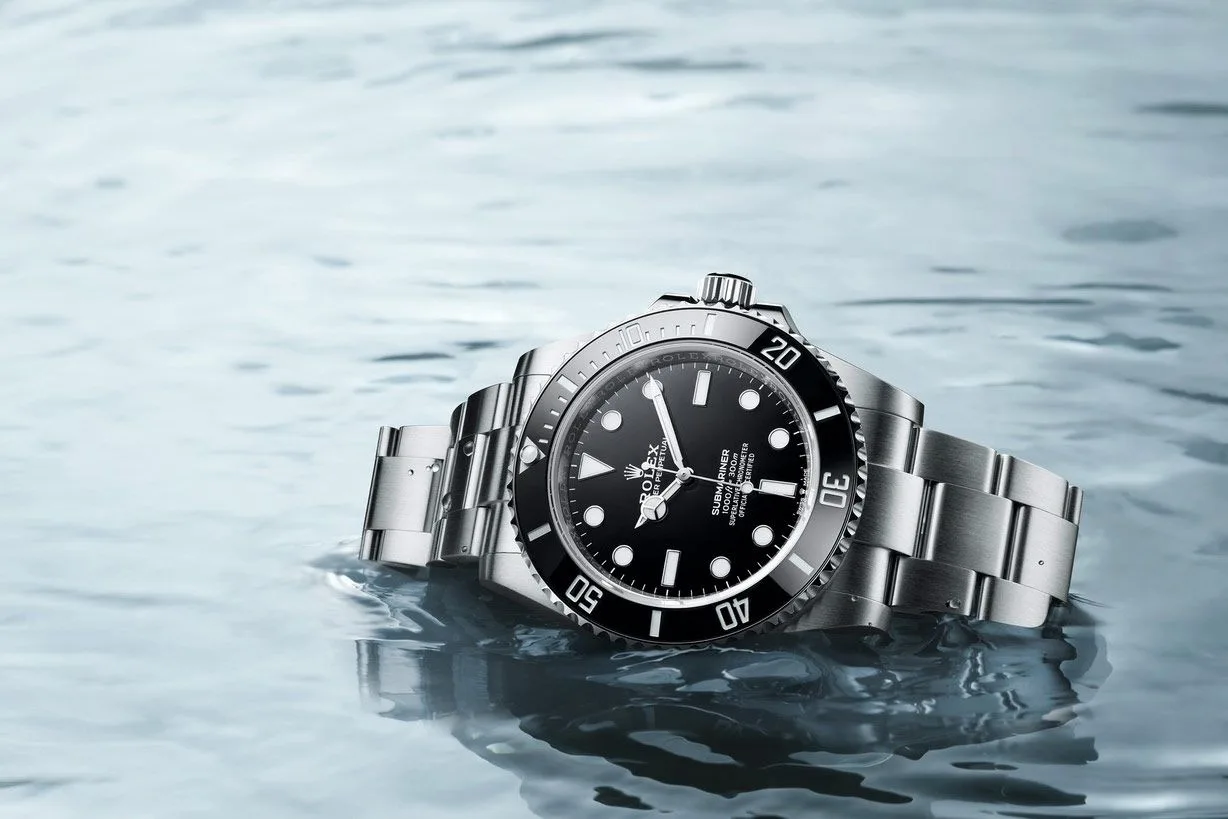
- Steel sports models like the Submariner and Daytona appreciate faster, often selling above retail on the secondary market
- Material costs, limited production, and strong demand continue to drive the luxury watch price increase
- Your Rolex can serve as collateral for loans up to 90% of its value without selling
- Condition, documentation, and authenticity are critical factors in determining how much a Rolex is worth
Qollateral has seen a surge in inquiries from collectors and investors eager to understand how rising valuations affect their portfolios, and how to turn that value into real financial flexibility without selling. If you own a Rolex or are considering one as a long-term asset, the Rolex price increase is something you can’t ignore.
You’ve likely seen the headlines: Rolex retail prices are climbing again, with models like the Submariner and Daytona leading the charge. But this isn’t just sticker shock at the boutique: it’s reshaping how you can use your luxury watch as a financial tool, whether for discreet liquidity or strategic investment planning. Let’s break it down: why prices are rising, how much your Rolex might be worth in 2026, and how to tap into that value the smart way.
Understanding the Rolex Watch Price Increase: Supply Limits and Cost Pressures
Rolex prices continue to rise due to controlled supply, rising material and labor costs, and strategic brand positioning.
Rolex keeps production intentionally limited. Unlike mass-market brands, it doesn’t flood the market with products, even as demand surges worldwide. This scarcity fuels desirability, which drives both retail and resale prices higher. Despite long waitlists, Rolex maintains a steady output of about one million watches annually.
Material costs are another major factor. Gold climbed from roughly $2,700 per ounce in late 2024 to over $4,000 per ounce by late 2025. Stainless steel prices have remained well above pre‑2020 levels despite notable volatility. Skilled Swiss watchmakers are seeing rising annual wage increases, and the strong Swiss franc adds even more cost pressure. Rolex typically passes these increases on through annual price adjustments, usually between 1-6%.
Industry insiders expect the next luxury watch price increase in April 2026, following the brand’s usual spring pattern. Other top-tier watchmakers like Patek Philippe and Audemars Piguet often follow Rolex’s lead, reinforcing its dominant position in the luxury watch market.
Secondary Market Prices Reflect Premium Demand
Secondary market prices often exceed retail, especially for popular steel sports models in high demand.
Take the no-date Submariner, for example. While it retails for around $9,000-$10,000, it can sell for $12,000-$15,000 in excellent condition on the secondary market. The Cosmograph Daytona? Easily double retail, with vintage editions like the “Paul Newman” model fetching over $1.5 million at auction. But not all Rolex models appreciate equally. A two-tone Datejust from the 1990s might hold steady, while ceramic-bezel divers and limited editions see more aggressive growth.
Condition is everything. Scratches, missing links, or aftermarket parts can reduce your watch’s value by 15-30%. On the other hand, having the original box, papers, and service history can boost resale value significantly. Watches with full provenance consistently outperform similar models without documentation.
Timing also plays a role. New model releases or limited editions can spark price surges, but short-term corrections do happen. The 2022-2023 dip is a good reminder that even hot markets can cool temporarily before rebounding.
How Much Is a Rolex Worth in 2026: Current Market Benchmarks
Value depends on model, condition, and demand. Here are some current benchmarks:
- Submariner Date (ref. 126610LN, 2025): Retail around $10,500, resale $13,000-$14,500
- Vintage Submariner 16610 (1990s): $9,000-$12,000 in excellent condition
- Platinum Day-Date: $100,000+ depending on configuration
- Modern Steel Daytona: Often sells for up to twice its retail price
Steel sports models like the Submariner, GMT-Master II, and Daytona tend to appreciate the fastest. Older dress models may lag unless they’re rare or in pristine condition.
Be cautious about authenticity, though. Counterfeit and “frankenwatches” (assembled from mismatched parts) are increasingly common. Professional authentication is more important than ever.
Nonetheless, according to analysts, year-over-year increases in Rolex values outpace several major stock indices.
Tip: Get a free, no-obligation valuation. Qollateral uses real-time auction data, dealer comparables, and model specifics to deliver an accurate Rolex valuation.
The Rolex Watch Price Increase: Quick Summary
How much did Rolex prices increase in 2025?
Most models saw a 5-7% retail hike. For example, the Submariner’s price rose, on average, by $500-$700.
Will Rolex prices keep rising in 2026?
Yes. Based on historical trends, another 1-6% increase is likely by year-end.
Which Rolex models gain value fastest?
Steel sports models like the Submariner, Daytona, and GMT-Master II “Pepsi” typically appreciate the most.
Do older Rolex watches always go up in value?
Not always. Rarity, condition, and documentation matter more than age alone.
Rolex as a Financial Asset: Accessing Liquidity Without Selling
Yes, you can use your Rolex as collateral for fast, discreet funding without selling it.
Rising Rolex values aren’t just for collectors: they’re a way to unlock liquidity. Whether you need capital for a business opportunity, investment, or temporary cash flow, your watch can serve as a financial asset.
Qollateral specializes in this space, offering watch loans from $2,000 to $10 million against luxury watches, fine jewelry, and art. Assets are fully insured through Lloyd’s of London and stored securely at the International Gem Tower in New York City. There are no credit checks, just asset-based lending.
How Qollateral’s Process Works:
- Get a free appraisal – Qollateral evaluates your watch using current market data.
- Receive a loan offer – Borrow up to 80-90% of your watch’s verified value.
- Send or deliver your watch – Fully insured overnight shipping or in-person drop-off in NYC.
- Get funded fast – Same-day wire transfers are available.
- Repay and reclaim – Pay on your schedule and retrieve your watch when you’re ready.
For those specifically interested in leveraging their timepiece, Rolex watch loans offer a specialized solution tailored to the unique value characteristics of the brand.
Prefer to sell instead? Qollateral can also arrange discreet, market-rate sales of your Rolex through private channels.
Making Strategic Use of the Rolex Price Increase
Evaluate your Rolex now before the next market shift changes valuations.
Whether you’re holding for appreciation, leveraging for liquidity, or considering a sale, timing is everything. The ongoing Rolex price increase gives you leverage, but markets shift fast. Knowing your watch’s current value puts you in control.
Start with a confidential appraisal from experts who understand both retail and secondary market dynamics. Whether you’re a longtime collector or someone sitting on a hidden asset, understanding your Rolex’s worth can open the door to smarter financial decisions without pressure to sell.
Your Rolex already keeps perfect time. Now it can help you make the most of it financially. Contact Qollateral today to explore your options.
Frequently Asked Questions
What factors are contributing to the Rolex price increase?
Rolex price increases can be attributed to several factors, including inflation, rising production costs, and increased demand for luxury watches. These elements contribute to Rolex adjusting prices to maintain the brand’s prestige and accommodate economic shifts.
How often does Rolex typically implement price increases?
Rolex does not follow a fixed schedule for price increases. However, adjustments are generally made annually or biannually. These increases help Rolex manage market dynamics and brand positioning amidst changing financial landscapes and consumer demand.
How does the Rolex price increase impact resale value?
The Rolex price increases can positively impact the resale value of their watches. As new watch prices rise, the value of existing models often follows suit, benefiting owners looking to sell their timepieces on the secondary market.
Are there specific Rolex models more affected by the price increase?
While the price increase can impact all Rolex models, highly sought-after models like the Submariner, Daytona, and GMT-Master II might experience more noticeable adjustments due to their demand and iconic status within the brand’s lineup.
