
By Michael Manashirov, COO of Qollateral
Published February 13, 2026 | 6-Minute Read
We can expect big things from the luxury watch market as we head further into 2026 and beyond. In 2025, the market was valued at just under $60 billion and is expected to nearly triple by 2034 to around $171 billion. That’s according to a report by Fortune Business Insights. That might come as a surprise, especially right now, as consumer spending is down. But the luxury market remains strong as people consider items like high-end watches and fine jewelry more as sound investments than flashy statement pieces. That trend, and other factors like a strengthening pre-owned market, can affect the value of your collection and whether you sell or borrow against watches.
Let’s go over the different factors shaping the market in 2026 to help you understand the value of your watch collection.
Visit our resources page to learn more about asset-backed loans.
Key Takeaways:
- The high-end watch market is growing: From 2025 to 2034, the projected compound annual growth rate (CAGR) is expected to hit 12.41%. Global luxury watch sales could top $171 billion by 2034.
- The pre-owned market will continue to strengthen: The secondary market has found its footing following some volatility after the pandemic. Pricing has normalized, and buyer confidence is growing.
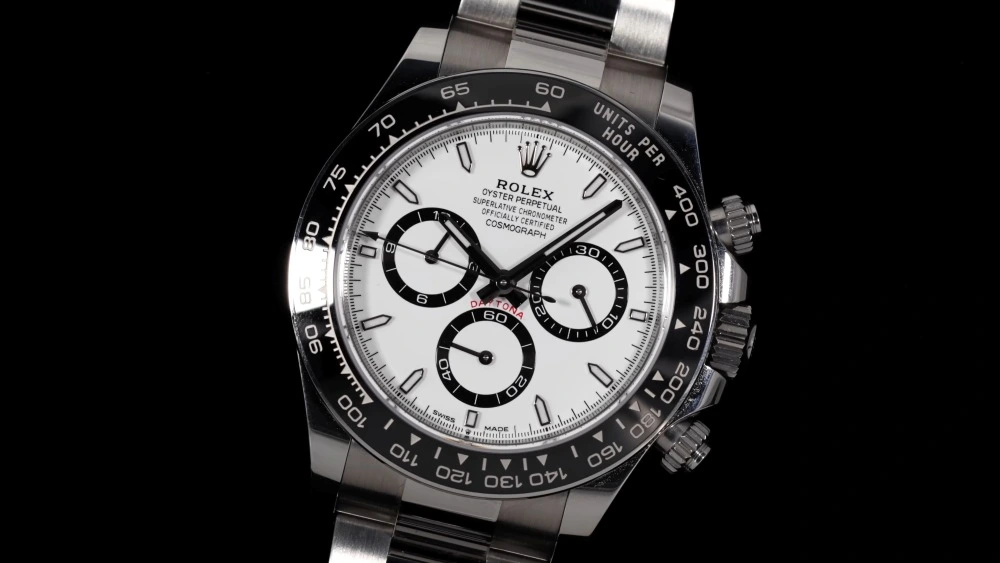
- Brand recognition matters: Trends continue to favor brands with consistent demand and excellent global recognition. Top brands include: Rolex, Patek Philippe, Audemars Piguet, Richard Mille, and Omega.
- Younger collectors will continue to influence the market: Millennials and Gen Z are drawn more and more to the market thanks to factors like social media influence and investment potential.
- Forecasts indicate stable growth and better financial opportunities: Strong market conditions can help collectors access liquidity without selling their watches and missing out on potential appreciation.
Luxury Watch Market Size & Projected Growth
The average projected market growth by 2034 is expected to reach around 12.41%, fueled mostly by an incredibly dynamic global market. The US market alone is expected to be worth $19.14 billion by 2032. Other influential regions include Asia, which accounts for nearly 42% of all luxury watch sales in 2025 and is expected to exceed $28 billion this year, and the Middle East, home to a growing population of high-net-worth individuals, which is expected to reach over $3 billion in watch sales by 2033.
Trends Shaping Demand in 2026
One of the most significant trends shaping the industry in 2026 is the pre-owned market. It’s driven by factors like greater transparency from resellers, improved buyer confidence thanks to certified pre-owned programs and authenticity guarantees, and better availability of the more desirable models that might be harder to buy at retail. Depending on the model, pre-owned watches also offer more accessible price points, further driving some consumers away from retail. There’s investment potential there and an open door for newer collectors.
We’re also seeing a growing demand for vintage and rare watches as collectors opt for enduring models with better long-term value over passing trends. And then there are women’s watches. In 2019, the women’s category was valued at $23.7 billion and is expected to reach $26 billion by next year. The pre-owned market and its outstanding accessibility are responsible for a lot of that growth.
Luxury Watch Trends by Brand and Its Ties to Lending
When it comes to luxury watch industry trends (and asset-backed lending, for that matter), brand performance counts for a lot. Popular brands with consistent demand (such as Rolex or Patek Philippe) retain value better over time and can net much higher offers when it comes time to secure a loan against collateral.
These brands have a robust secondary market. For lenders, that means they’re more liquid, or easier to sell. For the borrower, that means higher loan offers.
- Rolex: Dominates the market thanks to endless waitlists and excellent value retention.
- Patek Philippe: Home to some of the most expensive and complicated watches on the market. It’s a brand that consistently sets auction records.
- Audemars Piguet: Captivates collectors with its daring materials and technical innovations.
- Richard Mille: Avant-garde status symbol. Part of the ultra-luxury segment growth.
- Omega: More of an accessible Swiss luxury brand. Excellent brand strength and heritage.
Luxury Watch Industry Trends: What’s Driving Demand?
Recent luxury watch market trends:
Investment Potential: Watches are no longer viewed as mere splurges. They’re solid alternative assets. Factors such as brand recognition and strong secondary-market demand can create significant long-term value for some of the more popular watches.
Social Media: In the age of social media, platforms like Instagram, TikTok, and YouTube have changed how collectors and watch enthusiasts stumble upon watches. A single post or review from a well-known influencer can spark a lot of interest in a watch, and from pretty much anywhere in the world.
Celebrity Influence: That funnels into celebrity endorsements/ambassadorships. Watches are thrust into the spotlight when they appear on the wrist of prominent public figures. Think Roger Federer raising his Wimbledon trophy over his head with a Rolex Datejust on his wrist or Bad Bunny accepting his 2026 Grammy while wearing a gold Cartier Tortue. People take notice and find themselves wishing they also owned those watches.
Limited Production Watches: It’s no secret that some brands limit supply, whether more obviously through numbered or limited-production watches or by simply not producing fast enough. It creates exclusivity, driving demand and pre-owned prices. Not to mention better confidence among buyers and lenders, thanks to strong resale values.
Status Symbol Appeal: Picture the gold Rolex Presidential. You probably instantly think of power, success, and money. This appeal also drives demand for some of the higher-end watches. They have an emotional and social appeal that drives long-term demand, and not just among modern collectors, but across generations.
Generational Wealth: Many collectors might justify a big watch purchase as a generational investment, a watch they can pass down to their children or even their grandchildren.
Luxury Watch Forecasts: Where Is the Market Heading?
We can expect continued growth across different types of demographics. For example, Millennials and Gen Z are driving increased demand for luxury watches, fueled by watch influencers across social media platforms and the strong long-term investment potential of pre-owned models. According to Fratello, watch sales among Gen Z collectors rose 44% from previous years. We can also see the pre-owned market continue to strengthen as it stabilizes following some volatility since the pandemic.
Investment Potential and Value Retention
Luxury watches have performed well during all kinds of economic cycles, especially watches from companies with strong brand recognition like Rolex or Omega. They’re tangible assets that you can easily ship around the world, which makes them attractive alternatives for diversifying a portfolio or hedging against inflation.
They retain value well, which makes luxury watches excellent assets for collateral-backed lending. Stable resale values allow lenders to offer more competitive loan terms. For owners, that means better flexibility without having to sell their watch outright to access quick cash.
Challenges Facing the Luxury Watch Market
Counterfeiting is a big issue, which has led many resellers to invest a lot of time and money into hiring highly experienced watchmakers and implementing authentication processes. There’s also economic uncertainty to consider. Collectors are less likely to buy new watches if their financial future is unpredictable. Another challenge is changing watch preferences, particularly the rise of smartwatches. It will be interesting to see how brands adapt to each of these challenges in the coming years.
What This Means for Watch Owners and Collectors
Being familiar with the market can help you make better decisions for your growing collection. Leveraging a watch instead of selling it can be a strategic move, especially when market conditions are more volatile. You can access cash without selling into an uncertain market or missing out on any potential appreciation.
Qollateral’s Market-Informed Perspective
How is Qollateral different from your local pawn shop? We evaluate all watches based on real-time luxury watch dynamics. For example, how is the brand performing? Additionally, what does current demand look like? And just as importantly, is there strong secondary market liquidity? By carefully considering every factor at play, we’re able to provide the most competitive and transparent offers possible—each one backed by expert market insight and years of combined experience.
Final Thoughts For 2026
We expect the pre-owned market to continue growing into 2026. That means greater flexibility for collectors, especially those who prefer to borrow against their watches rather than sell their hard-earned assets.
Your watches have never been more valuable than right now. Contact the watch appraisal experts at Qollateral to learn how much your collection is worth in 2026 and how to use it as collateral for a high-offer, watch-backed loan.
- 100% Discreet
- 100% Safe
- 100% Secure
- 100% Risk-free
- 100% Insured
- 100% Satisfaction Guarantee
